
Last updated November 2, 2026
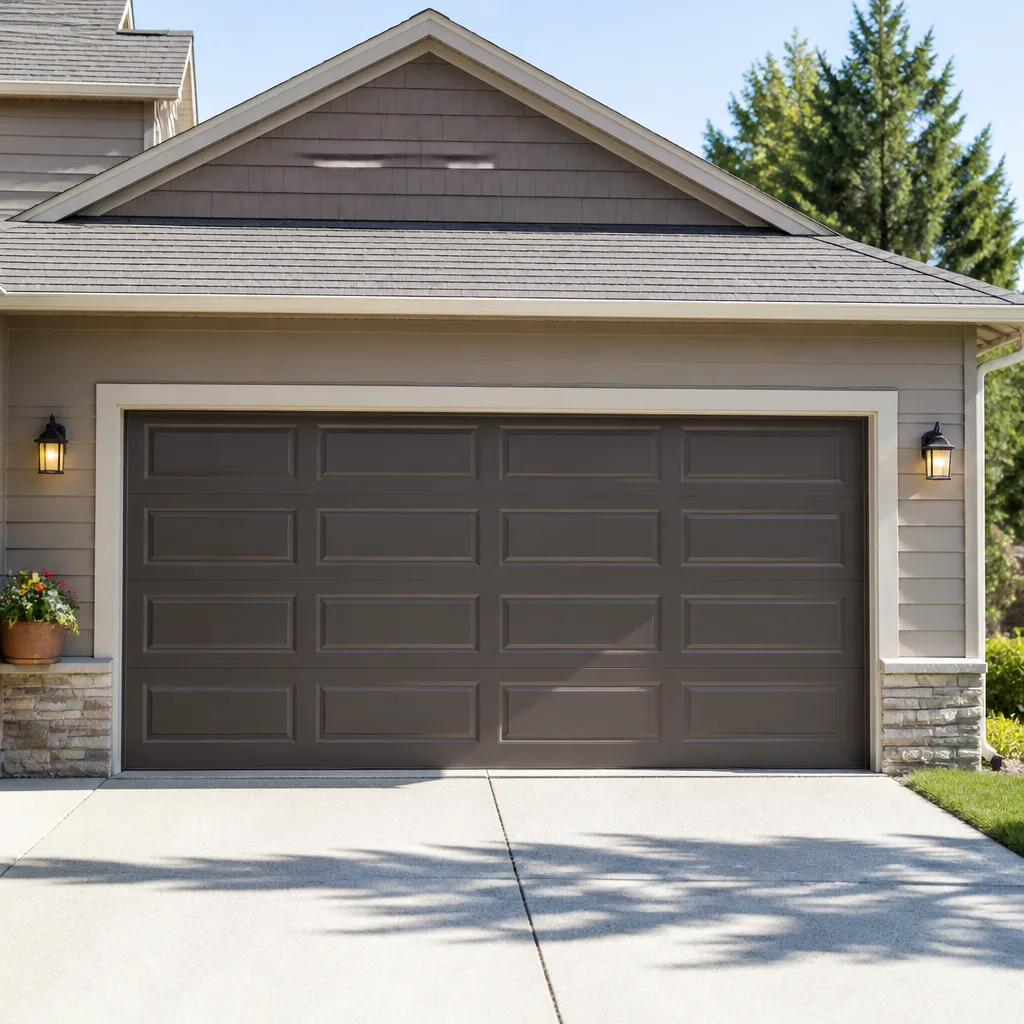 Raised-panel steel
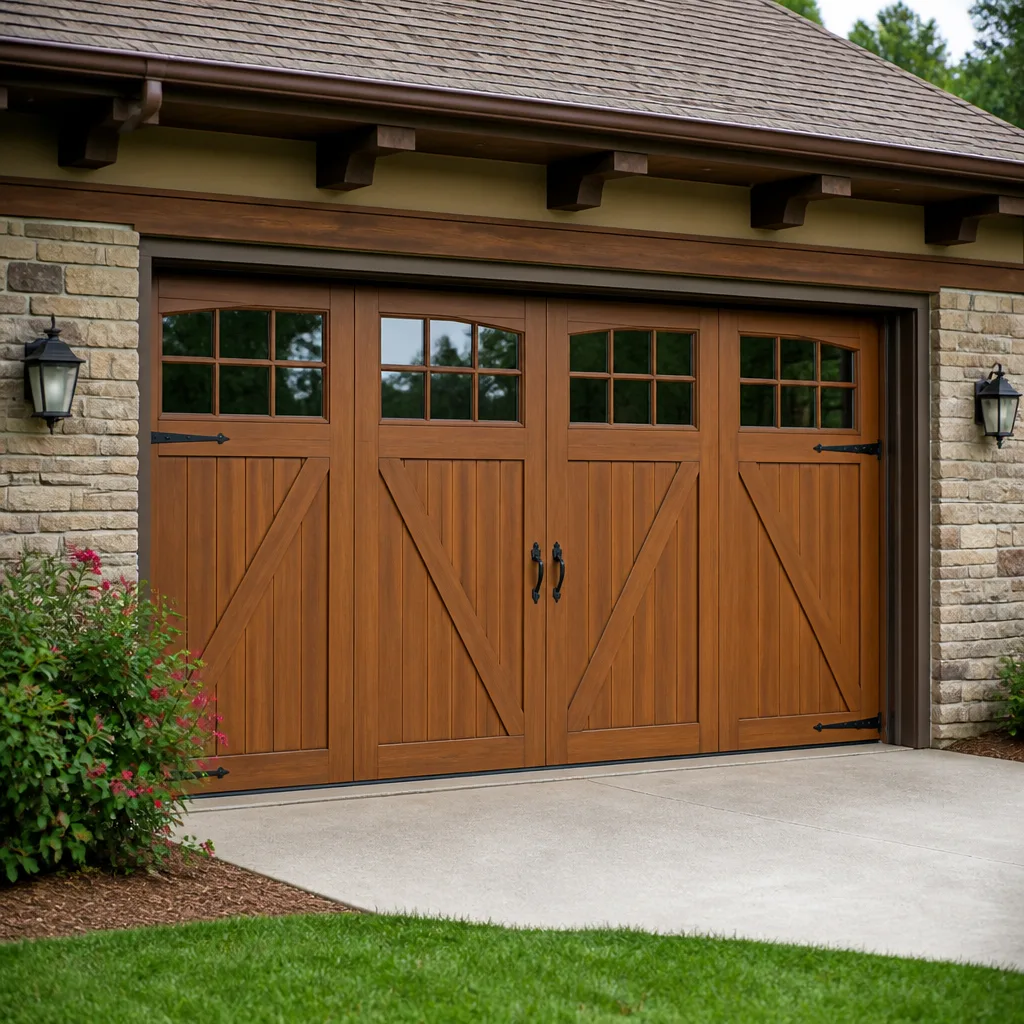 Carriage house
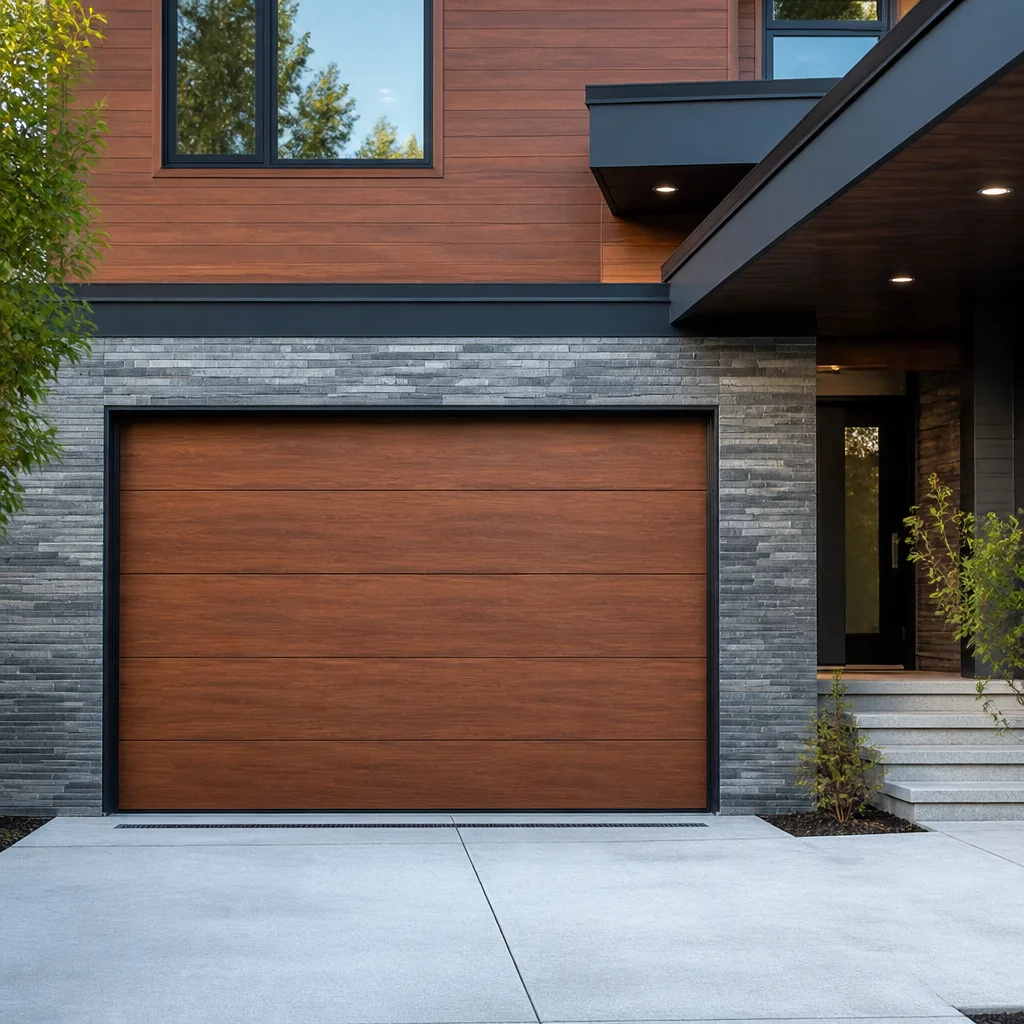 Modern flush
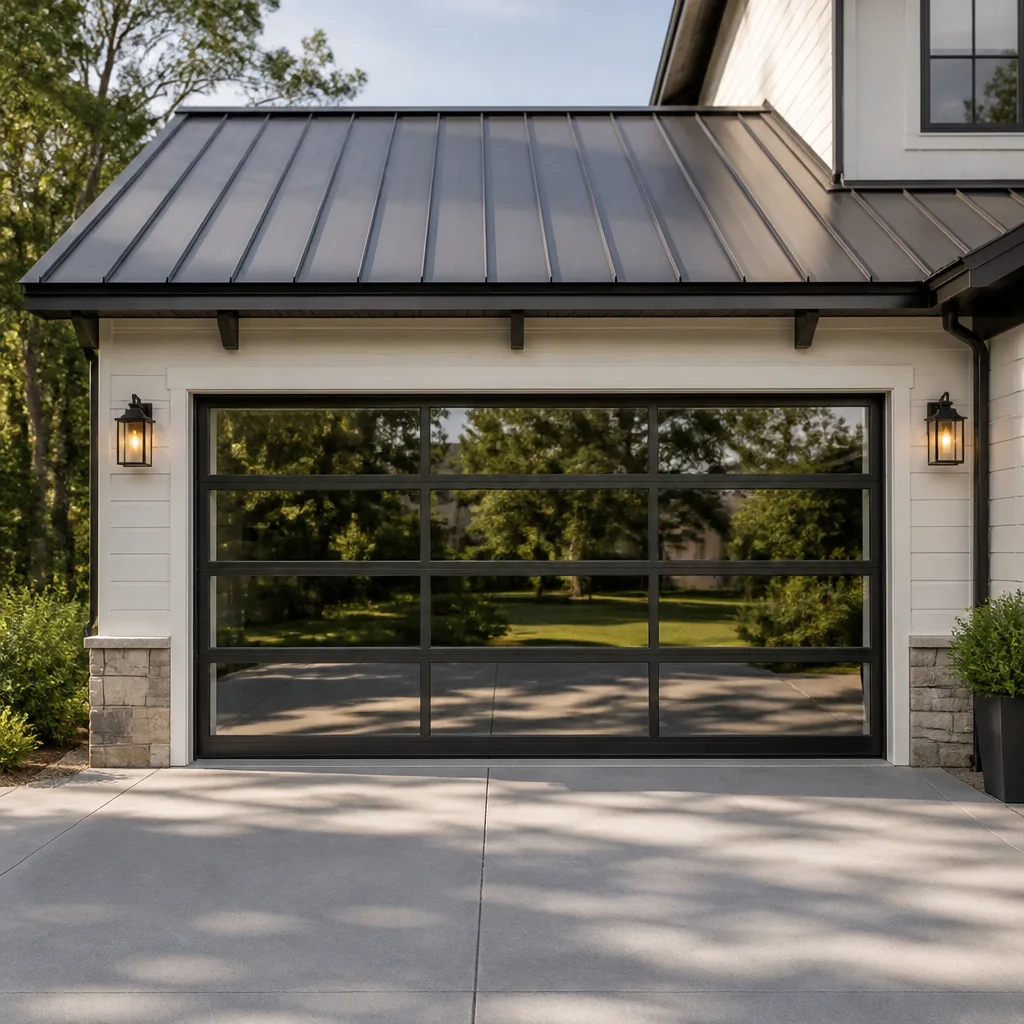 Full-view glass
 LiftMaster openers
 Chamberlain openers
Full 25-point door and opener safety check with every visit - springs, cables, rollers, tracks, and your LiftMaster or Chamberlain opener included
You get a price before we start. It does not change when the truck arrives.
Get your free estimateGarage Door Permits, Codes & Inspections in CA: What You Need to Know
Replacing a garage door panel? Probably no permit. Installing a new door on a new opening or adding a motor to an existing manual door on a converted space? That’s a different answer. And getting it wrong can void your homeowner’s insurance claim after a fire or break-in. This guide covers the California Building Code sections that govern garage doors, how San Bernardino County amendments layer on top, what Hesperia’s building office actually requires, and why unpermitted work shows up at resale. For related reading, see our Garage Door Warning Signs: A Hesperia Homeowner’s Reference Guide. We’ve fixed doors across Hesperia where a skipped permit turned a $900 door job into a $4,000 title escrow problem. Here’s how to avoid that.
Styles & brands we work with
- Raised-panel steel
- Carriage house
- Modern flush
- Full-view glass
- LiftMaster openers
- Chamberlain openers
Quick Answer
Most garage door repairs in California do not require a permit. Replacing an existing door with the same size and type, swapping panels, or replacing springs, cables, or rollers falls under routine maintenance. A permit is required when you create a new garage door opening, enlarge an existing opening, modify the structural header above the door, or install a fire-rated door assembly where one is required by code. In Hesperia, any structural change to a garage opening needs a building permit from the City of Hesperia Building and Safety Division before work starts.
Table of Contents
- When a Garage Door Permit Is Required in California
- When No Permit Is Needed: Repairs and Like-for-Like Replacements
- The California Building Code Sections That Govern Garage Doors
- San Bernardino County and Hesperia Local Requirements
- Fire-Rated Door Requirements for Attached Garages
- What a Garage Door Inspector Actually Checks
- How Unpermitted Garage Door Work Shows Up at Resale
- Common Mistakes to Avoid
- When to Call a Professional
- Frequently Asked Questions
- The Bottom Line
When a Garage Door Permit Is Required in California
California Building Code (CBC) Section 105.1 requires a permit for any work that involves “cutting into or altering the structural portions of a building.” A garage door opening is a structural penetration in a load-bearing wall. When you alter that opening or create a new one, you’re changing how the wall carries weight.
A permit is required in California when any of the following apply:
- New garage door opening. Cutting a new opening in an existing wall for a garage door requires a permit. This involves installing a new header beam, which is structural work.
- Enlarging an existing opening. Widening a single-car garage door opening to fit a double door means removing portions of the existing header and wall framing. Permitted, engineered, inspected.
- Modifying the header. If the header beam above your garage door is damaged, undersized, or needs replacement, that’s structural and requires a permit.
- Converting a carport to a garage. Enclosing a carport with a garage door creates a new conditioned or semi-conditioned space. Permit required, full stop.
- Adding a door to a new build or addition. Any new construction that includes a garage door falls under the overall building permit for that structure.
- Fire-rated assembly installation. When a garage door is part of a required fire-rated wall assembly between an attached garage and living space, the installation must match the approved plans and pass inspection.
In Hesperia, the Building and Safety Division reviews plans for any of these scenarios. A plan check fee applies, and the inspector will visit at least twice: once at framing, once at final. We’ve handled door installations on new additions in the Mesa and Pacific Street corridor where the city required the header strapping photos before approving the door install.
When No Permit Is Needed: Repairs and Like-for-Like Replacements
California’s permit code carves out an exception for “minor repairs” that don’t affect structure, electrical, plumbing, or fire safety. CBC Section 105.2 lists exempt work. Here’s what that means for garage doors:
- Replacing an existing garage door with the same size door on the same opening. No permit. The header, side jambs, and structural supports stay untouched.
- Replacing individual panels, rollers, hinges, springs, or cables. All mechanical, none structural. No permit.
- Replacing or repairing a garage door opener. The opener is mechanical and low-voltage electrical work, which falls under repair (replacing like for like) and does not require a permit in Hesperia or most of San Bernardino County. If new electrical circuits need to be run to power the opener, that electrical work is separately permitted.
- Weather stripping, seal replacement, sensor realignment. Maintenance. No permit.
- Painting or refinishing. Cosmetic. No permit.
Here’s the nuance that trips people up: the moment we need to cut into the wall framing to make a new door fit, the work shifts from maintenance to construction. That’s the line. If an installer tells you they can “make a bigger door work” without mentioning permits, they’re either cutting corners or they don’t understand the code. For help diagnosing issues before they escalate, see our Garage Door Repair Troubleshooting: Common Problems and How to Fix Them. Both are problems.
The California Building Code Sections That Govern Garage Doors
Three CBC sections do most of the heavy lifting for garage doors. If you read nothing else, read these.
CBC Section 105.1: Permits Required
This is the umbrella section. It says any owner or authorized agent who intends to “construct, enlarge, alter, repair, move, demolish, or change the occupancy of a building or structure” must first obtain a permit. Structural alteration is the key test. A like-for-like door replacement doesn’t meet it. A new opening does.
CBC Section 302.5 and 309: Garage Classification and Separation
These sections classify garages as a distinct occupancy type and set the fire separation requirements between a garage and living space. The door itself is part of that separation. Section 309 covers private garages specifically, including requirements for walls, ceilings, and the door opening between the garage and the residence.
CBC Section 706: Fire Walls and Fire-Resistive Construction
When a garage is attached to a home, the shared wall or ceiling must meet a fire-resistance rating, typically one hour. The door between the garage and house interior is part of that assembly. The vehicle door itself, in most residential cases, doesn’t need to be fire-rated, but certain Hesperia ADU (accessory dwelling unit) conversions and tuck-under garage conditions do trigger a fire-rated door requirement.
Chapter 3, Section R309 (Residential Code Reference)
The California Residential Code (CRC), specifically Section R309, addresses garage door requirements for one- and two-family dwellings. It references both the door’s operation and its safety features: auto-reverse mechanisms, photoelectric sensors, and the entrapment protection standards under UL 325. A permitted garage door installation includes verification that the door and opener meet these standards.
If you’re installing a door on a converted space in Hesperia, the plans examiner will check the door’s compliance with UL 325 safety features before signing off. An older door without auto-reverse, installed on a permitted project, will fail inspection.
San Bernardino County and Hesperia Local Requirements
California’s building code is a state code. But counties and cities adopt local amendments. San Bernardino County has its own amendments to the CBC and CRC that affect garage door work in Hesperia.
What Hesperia’s Building and Safety Division specifically requires:
- Permit application with a site plan. For any new opening or enlarged opening, you submit a scaled drawing showing the location, width, and height of the proposed door opening, plus the header size and load path.
- Header specification. For new or modified openings, Hesperia plan check requires a header sizing calculation. A 9-foot opening typically requires at least a 4×10 or 4×12 header depending on the roof load above it. Your door installer should have an engineer’s letter, not just a guess.
- Framing inspection before door installation. The city inspector must see the header installed, strapped, and secured before the door goes in. Skip this and the door may have to come back out, costing a re-inspection fee and a second service call.
- Final inspection after installation. The inspector verifies the door operates correctly, the auto-reverse works, and the opening matches the plan.
- Fire separation verification. For attached garages, the inspector checks that the wall and any door connecting to living space meets current fire-resistance requirements.
Plan check fees in Hesperia for a garage door opening modification typically run in the low hundreds of dollars, plus the permit fee itself. The exact number changes with the city’s fee schedule, but a good contractor will walk you through the total before the first hole is cut.
One more local consideration: Hesperia sits in a high-wind zone compared to coastal cities. The Mojave Desert produces sustained winds that put upward pressure on garage doors, especially on the flat, open lots north of Ranchero Road. San Bernardino County’s amendments to the CBC include wind load requirements for doors on certain exposures. That translates to specific track reinforcement and jamb brackets that a Coastal California installer may not account for. If the installer’s quote does not mention wind-rated reinforcement for a Hesperia installation, ask why.
Fire-Rated Door Requirements for Attached Garages
A vehicle door on an attached residential garage in California does not automatically need a fire rating. The fire separation is between the garage and living space, and the code focuses on the walls and ceiling, not the big overhead door. But there are exceptions.
You need a fire-rated garage door when:
- The garage is directly below living space (tuck-under garage). This is common in Hesperia’s older hillside homes and some two-story tracts near Main Street. The floor-ceiling assembly between your living room and the garage must meet a one-hour fire rating, and the garage door assembly becomes part of that rated envelope.
- An attached garage was converted to a living space and you’re adding or replacing the door. ADU conversions in Hesperia require plans. If the plan requires a rated door, a standard unrated door fails inspection.
- The local fire marshal requires it due to fire hazard severity zones. Some portions of San Bernardino County fall into very high fire hazard severity zones (VHFHSZ). Homes in these zones sometimes have additional requirements for garage doors where the door faces the prevailing fire exposure. Hesperia has areas where the county’s fire hazard maps apply, particularly on the western edges near the Cajon Pass.
A fire-rated door in California must carry a label from a recognized testing agency, usually a 20-minute or 1-hour rating, and it includes specific hardware: heat-responsive closing devices, certain track and spring configurations, and fire-rated weather seals. If your door fails inspection because it’s not rated when it should have been, the fix is a new door, not a patch. Clopay, Amarr, and Wayne Dalton all manufacture code-listed fire-rated doors, and the correct model must be ordered with specific hardware. This is not a modification you do on site.
What a Garage Door Inspector Actually Checks
If you’ve pulled a permit, here’s exactly what the Hesperia inspector will look for during the final inspection. Work through this list with your installer before the inspector arrives, and you’ll pass the first time.
- Door operation. Door opens and closes smoothly through the full cycle. No binding, no scraping on the jambs, no jumping off the track. The inspector watches it run.
- Auto-reverse function. The door must reverse when it contacts a 2-inch block placed flat on the floor under the door’s closing path. This is a UL 325 requirement and the single most common inspection failure we see with older openers that were grandfathered in but get flagged on a new permitted installation.
- Photoelectric sensors (photo eyes). The sensors on either side of the door opening, no higher than 6 inches off the floor, must be installed so that breaking the beam stops and reverses the closing door. The inspector will test this by blocking the beam mid-close.
- Header and framing condition. The inspector visually checks that the header is the size on the approved plan and that the strapping and connections match the engineering detail.
- Fire separation (attached garages). If the door connects to living space directly, the inspector checks the door’s rating label if one is required and the integrity of the surrounding separation walls and any self-closing door hardware.
- Wind reinforcement (where required). In Hesperia’s high-wind areas, the inspector checks that the door track has the required reinforcement brackets and that the jamb anchors are the specified type and spacing.
- Weather sealing and door condition. The inspector verifies the bottom seal is in place and the door is square in the opening with no visible gaps that would allow water, pests, or embers into the garage.
When we handle a permitted Garage Door Installation in Hesperia, we coordinate the framing and final inspections directly with the city. The installer should be the one scheduling the inspector, not the homeowner. If your installer disappears after the door goes in and leaves you to call the city, that’s a red flag.
How Unpermitted Garage Door Work Shows Up at Resale
Here’s the scenario we see repeatedly in Hesperia’s older neighborhoods, especially around Peach Avenue and the 1980s-era tracts near Lime Street Park: a homeowner in 2019 decides to widen their single-car garage door to fit two vehicles, or a pickup and a boat. They hire a handyman who charges $1,500 less than the permitted quote, cuts the opening, installs a larger door, and never mentions a permit. In 2026 the homeowner lists the house. During escrow, the buyer’s title search and the appraisal both flag the unpermitted structural modification.
What happens next is predictable:
- Disclosure forms catch it. The seller’s Transfer Disclosure Statement (TDS) asks specifically about unpermitted work. Answering truthfully discloses it; answering untruthfully is fraud. Either way, the issue surfaces.
- The lender may refuse to fund. FHA, VA, and many conventional lenders require that any structural modification to the home is permitted and signed off before the loan closes. If the garage door opening work is unpermitted, the deal can stall or die.
- Retroactive permitting is more expensive than doing it right the first time. To legalize unpermitted structural work, you must expose the header, have a structural engineer sign off, pay the original permit fee plus penalties (often double), and pass inspection. If the header was undersized, you replace it. Total remediation: $2,500 to $6,000 depending on what’s behind the drywall.
- Insurance claims get complicated. If a garage door unpermitted alteration contributes to a structural failure or a fire spread issue, your insurer can deny the claim. That’s a financial disaster, not a fine.
The pattern is clear: a $300 permit and a $150 plan check fee at the front end are dramatically cheaper than what unpermitted work costs at the back end. If your installer shrugs when you ask about permits, get another installer.
Common Mistakes to Avoid
- Assuming all garage door work is exempt. The most common misconception in Hesperia and statewide. Repairs and like-for-like replacements are exempt. Structural changes are not. The two categories are clear, but the confusion persists because so much work is done unpermitted and “no one gets caught” until the house sells.
- Allowing a contractor to cut the opening before the framing inspection. The inspector needs to see the header installed with the wall open. Once the door goes in and the trim goes up, the header is hidden. The inspector will make you open it back up or fail the inspection. Either way, it costs you time and money.
- Ignoring wind load requirements in Hesperia. Moorland desert winds are real. A door with unrated track reinforcement on a wide opening will eventually flex, bind, and wear out the rollers and hinges prematurely. Some installers price a job lower by skipping wind-rated hardware. That’s not a discount; that’s a deferred problem.
- Replacing a fire-rated door with a standard door. If your existing door carries a rating label and you replace it with an unrated door of the same size, you’ve downgraded your fire protection. In homes where the rated door was part of the original permitted plans, the replacement must match. Check the label before you order.
- Skipping the permit because “I’ll never sell.” Plans change. Life changes. The house will eventually transfer ownership, and the process of catching up on a permit after the fact is always more expensive than doing it at the time. Always.
- Trusting a low-ball quote that doesn’t mention permits. A contractor who quotes structural garage door work without a permit line item is either unlicensed for that scope or planning to do the work illegally. Neither is someone you want inside your wall framing.
- Confusing the garage door opener electrical work. Replacing an opener is usually exempt. Running a new circuit to power an opener in a garage that never had one, or in a converted carport, is electrical work that requires a separate electrical permit. The door permit doesn’t cover it.
When to Call a Professional
You should call a specialist if any of the following applies: you’re planning a new garage door opening or enlarging an existing one; your header is damaged or you suspect it’s undersized; the door you’re replacing carries a fire-rating label and you’re not sure what to order; the door needs wind-rated hardware and you don’t know what’s actually required for your exposure; or you’ve inherited an unpermitted door modification and need the work legalized. These are not handyman jobs. A structural header carries the weight of your roof; if it’s undersized or improperly strapped, the failure mode is a collapsing wall, not a noisy door.
We’re a single-trade door shop. That means we work on garage doors every day, all day, across LiftMaster, Chamberlain, Genie, Clopay, Amarr, Wayne Dalton, Craftsman, and Raynor equipment. Garage doors are all we do. We don’t pour concrete or frame additions. We know the Hesperia permit process, the local wind exposure requirements, and what the city inspector expects to see. If you’re in Hesperia or the surrounding High Desert and you need a permitted door installation, opener repair, or a full Garage Door Repair in Hesperia, we offer free estimates. Call (833) 620-6388 and we’ll tell you upfront whether your project needs a permit and what the full path looks like.
Frequently Asked Questions
No, if you’re replacing an existing garage door with a door of the same size on the same opening and not modifying the structural header or framing. This falls under minor repair and maintenance exempt from permitting. A permit is only required when the opening is new, enlarged, or structurally modified. If you’re unsure, call the Hesperia Building and Safety Division or ask your installer before work starts. You can also browse our more guides & resources for additional help.
For structural work like a new or enlarged garage door opening, the combined plan check and permit fees in Hesperia typically run in the low to mid-hundreds of dollars, excluding any engineering calculations. The exact fee depends on the project valuation and the current city fee schedule. Call us at (833) 620-6388 and we’ll give you a realistic estimate for the full permitted scope before you commit.
You save the permit fee upfront and inherit a larger bill later. Unpermitted structural work gets flagged during title search or appraisal when you sell, and the lender may require retroactive permitting before close. That means exposing the header, engineering review, penalty fees, and possible header replacement. The remediation typically costs several times what the original permit would have cost.
Replacing an existing garage door opener with a new one on the same electrical circuit does not require a permit in Hesperia. The opener is mechanical equipment with a plug-in or hardwired low-voltage connection, and replacing like for like is exempt. If your garage has never had an opener and you need new electrical wiring run to power one, that electrical work requires a separate permit. For opener repair or replacement, check our Garage Door Opener Repair in Hesperia page.
For most standard attached garages in Hesperia, the fire separation is the wall and ceiling between the garage and living space, not the vehicle door. A fire-rated vehicle door is required in specific situations: tuck-under garages where the garage sits below living space, converted spaces where the plans specify a rated assembly, or certain very high fire hazard severity zone requirements. Check your existing door for a rating label before replacing it, and match like for like if it carries one.
Yes, on any permitted project. The inspector will test the auto-reverse function using a 2-inch block, verify the photoelectric sensors are installed at the correct height and working, and confirm the door’s force settings are within spec. A door installation with an opener that fails any of these tests will not pass final inspection regardless of how clean the installation looks.
The Bottom Line
California garage door rules split cleanly: repairs and like-for-like replacements need no permit; structural changes do. In Hesperia, the city’s Building and Safety Division enforces both the state code and county-specific amendments, including wind load requirements that reflect the High Desert climate. The most expensive mistake a homeowner can make is not skipping the permit itself but trusting an installer who quietly skips it and disappears. The permit fee is a fraction of the remediation cost later. If you’re planning any garage door project in Hesperia and want a straight answer on permits, codes, and the right door for your opening, call us at (833) 620-6388. We’re glad to walk through what your project actually requires before you spend a dollar.
Written by the team at Garage Door Service Hesperia home, serving Hesperia since 2015.
See the difference
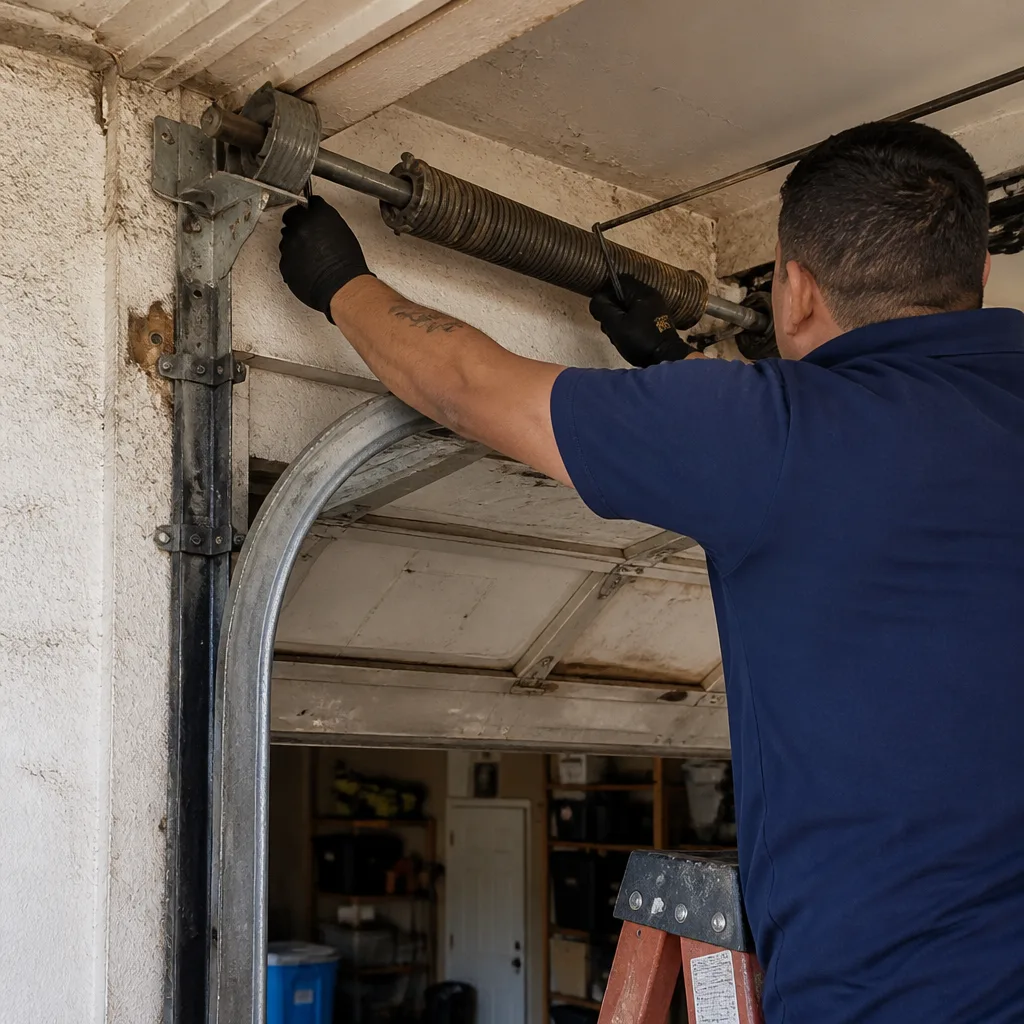 Before
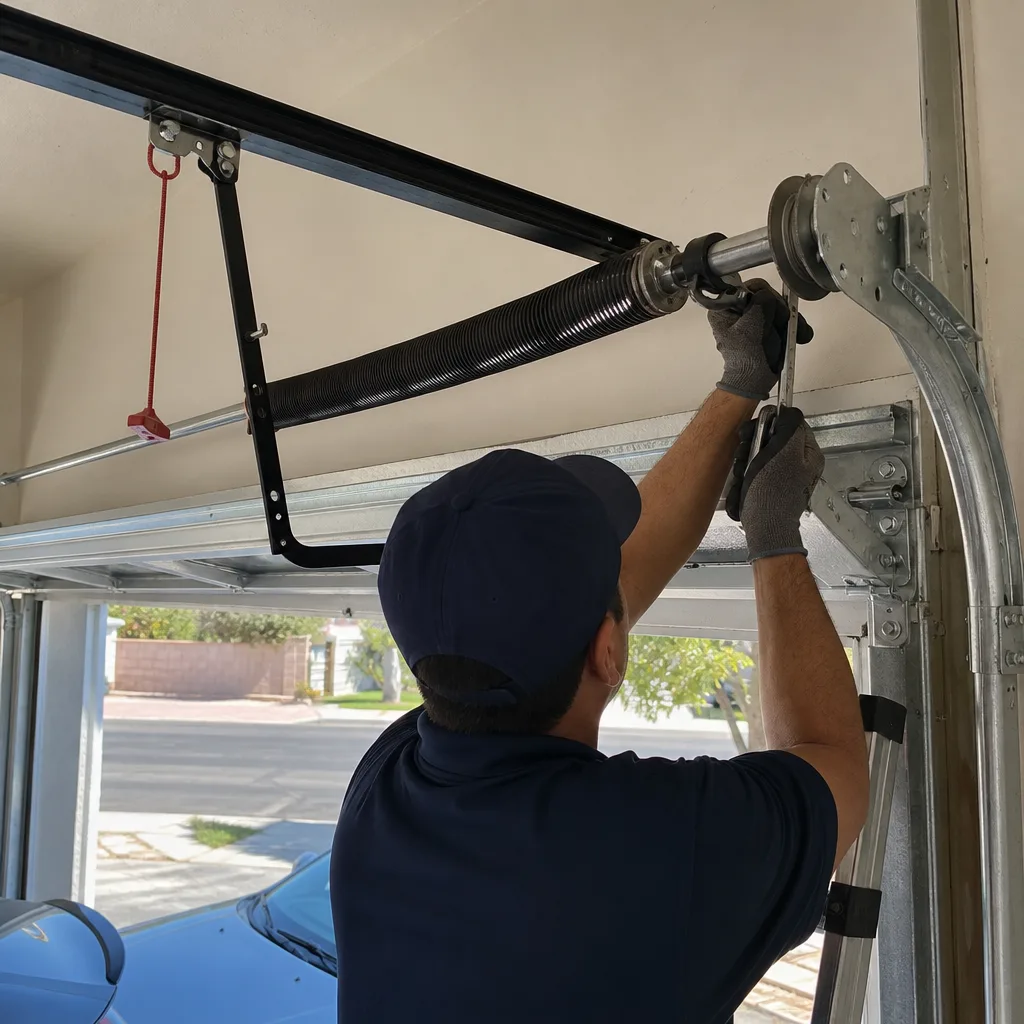 After
 Before
 After
 Before
 After