
Last updated November 2, 2026
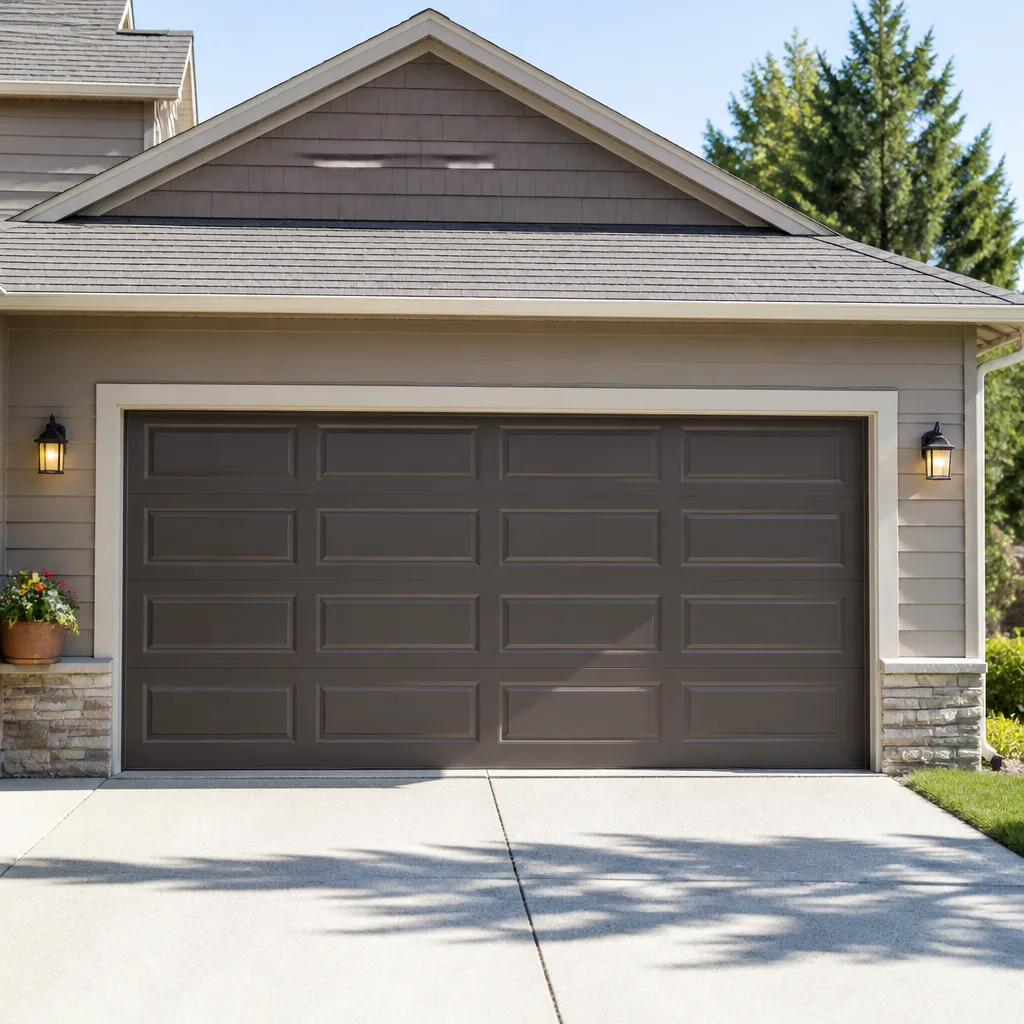 Raised-panel steel
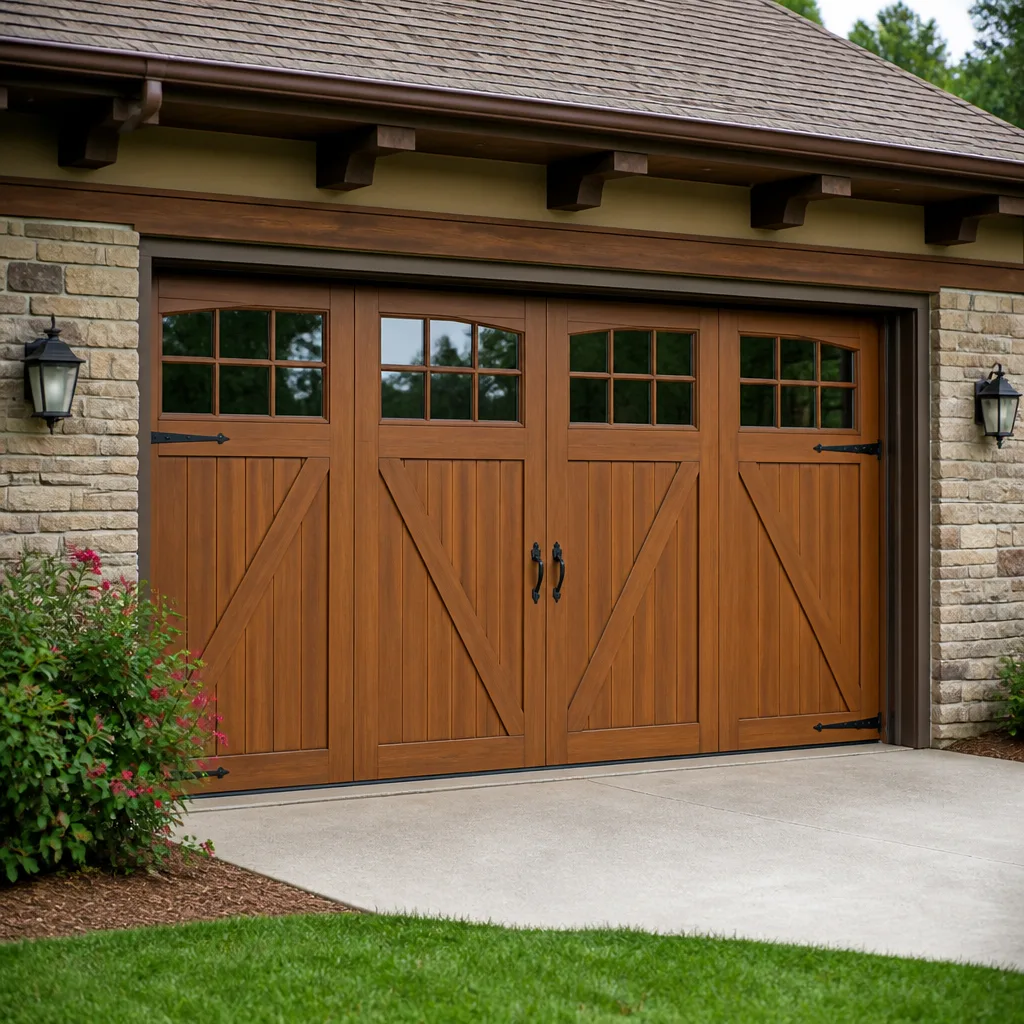 Carriage house
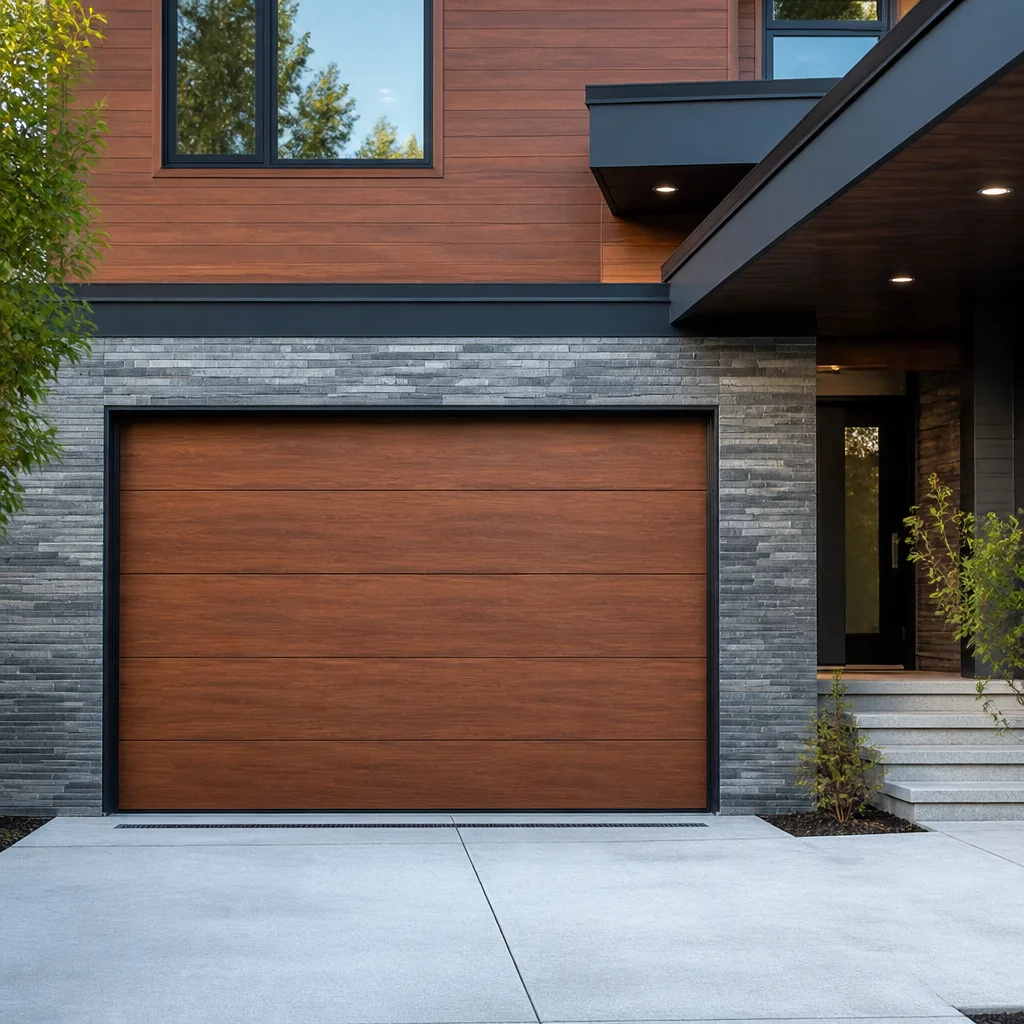 Modern flush
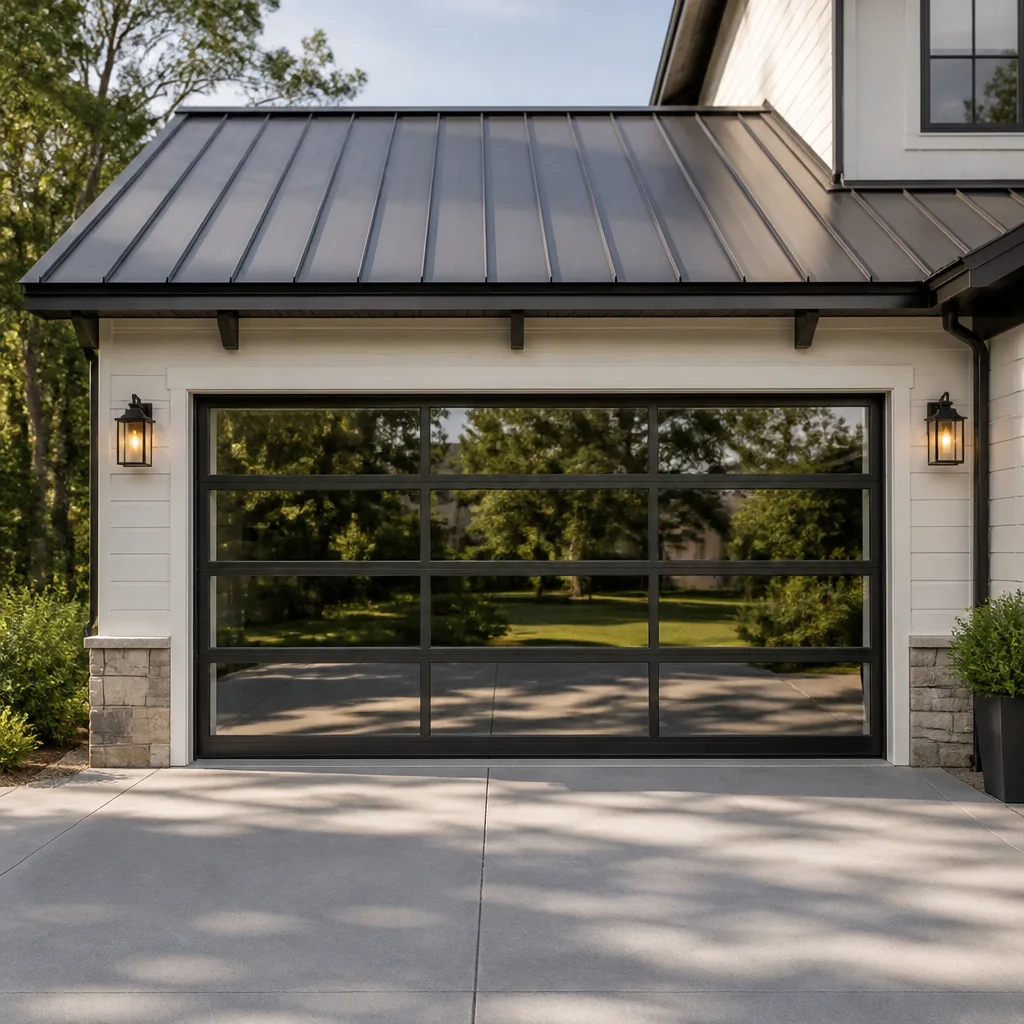 Full-view glass
 LiftMaster openers
 Chamberlain openers
Full 25-point door and opener safety check with every visit - springs, cables, rollers, tracks, and your LiftMaster or Chamberlain opener included
You get a price before we start. It does not change when the truck arrives.
Get your free estimateGarage Door Repair Maintenance Checklist for Hesperia Homeowners
A torsion spring rated for 10,000 cycles can lose meaningful tension well before that number in Hesperia’s high-desert climate, where 40-degree overnight lows and 100-degree afternoon highs force the steel to contract and expand daily. Most homeowners never see it coming until the spring snaps on a Monday morning with the car still inside. This guide walks through the maintenance tasks that actually prevent the failures we see most often in Hesperia, with specific pass/fail criteria for each item so you know the difference between routine upkeep and a problem that needs Garage Door Repair services.
Quick Answer
The garage door maintenance checklist for Hesperia homeowners centers on three cadences: monthly visual and balance checks, quarterly lubrication and hardware inspection, and annual weather-seal and spring assessment. In Hesperia specifically, the two maintenance priorities that matter most are protecting springs from thermal fatigue and keeping sand out of roller bearings and track assemblies. If a balance test fails or a spring shows visible gaps, that is a repair call, not a maintenance item.
Styles & brands we work with
- Raised-panel steel
- Carriage house
- Modern flush
- Full-view glass
- LiftMaster openers
- Chamberlain openers
Table of Contents
- Why Hesperia’s Climate Changes Your Maintenance Schedule
- The Monthly Checklist: 10 Minutes That Prevent Most Breakdowns
- The Quarterly Checklist: Lubrication and Hardware
- The Annual Checklist: Springs, Seals, and Full-System Assessment
- How to Do a Proper Balance Test (and What Failure Costs You)
- Sand and Dust Infiltration: The Hesperia-Specific Problem
- Lubrication Products That Survive High Desert Heat
- Common Mistakes to Avoid
- When to Call a Professional
- Frequently Asked Questions
Why Hesperia’s Climate Changes Your Maintenance Schedule
Most garage door maintenance checklists you find online are written for national audiences, and they assume a climate that looks nothing like Hesperia. The generic advice you see about lubricating twice a year or checking seals annually might work in a coastal city with mild temperature swings, but it misses what actually happens to garage door components in the Victor Valley.
Hesperia sits at roughly 3,200 feet in the high desert, which means we get real temperature swings. A typical summer day can move 35 to 40 degrees between dawn and mid-afternoon. In winter, overnight lows regularly drop below freezing while daytime highs climb back into the 60s. That daily thermal cycle is the single biggest reason garage door springs in Hesperia fail earlier than their rated cycle count.
Here’s what happens: torsion springs are steel coils under constant tension. When the temperature drops, the steel contracts. When it rises, the steel expands. That micro-movement, repeated every single day, creates fatigue at the molecular level. A spring that would last 10,000 cycles in a stable climate might only reach 7,000 or 8,000 cycles in Hesperia before stress fractures begin. The spring does not gradually weaken in a way you can feel. It holds tension until the day it does not.
Sand and dust complicate things further. Hesperia’s dry air and regular wind events mean fine particulate matter gets into places it should not be. Roller bearings, weather seals, track channels, and even the interior of the opener rail all collect grit over time. That grit acts as an abrasive, accelerating wear on moving parts that would otherwise last years longer.
What this means for your maintenance schedule: you cannot follow a national checklist and expect it to protect a Hesperia garage door. The tasks that matter most here are spring inspection, balance testing, and sand removal from moving components. Those are the items we are going to cover in detail below, with specific pass/fail criteria so you know exactly when maintenance ends and repair begins.
If you are looking for more detail on what a repair visit actually involves in this market, our guide to Garage Door Repair in Hesperia covers pricing, service timing, and what to expect from a specialist.
The Monthly Checklist: 10 Minutes That Prevent Most Breakdowns
The monthly checklist is about catching small problems before they become big ones. Most of what we see on service calls in Hesperia could have been spotted weeks or months earlier with a simple visual inspection and a quick test. None of these tasks require tools or mechanical knowledge. They require consistency.
- Watch and listen during operation. Stand inside the garage and run the door through one full open and close cycle. Watch for jerky movement, hesitation, or a door that shifts side to side. Listen for grinding, squealing, or a popping sound from the springs. A smooth door should be almost silent aside from the opener motor.
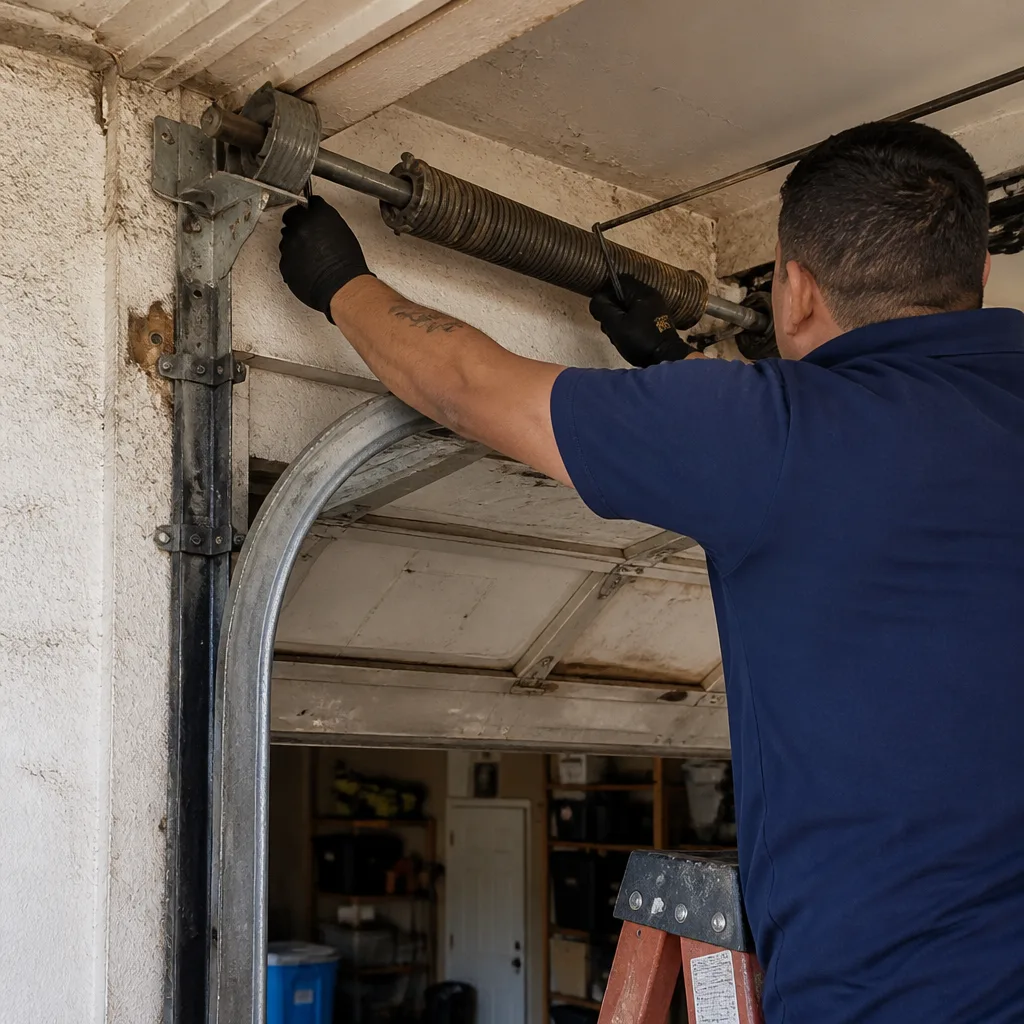
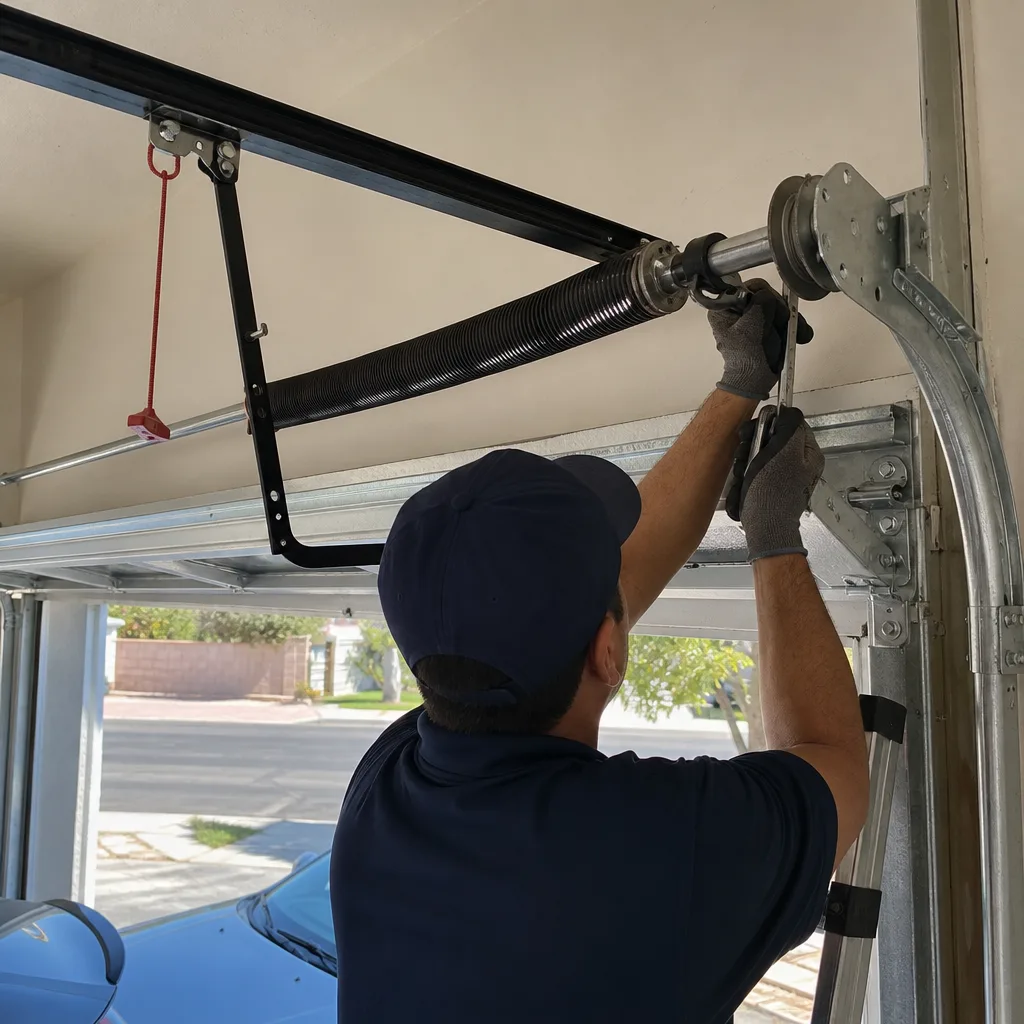
- Check spring condition visually. Look at the torsion springs above the door. A healthy spring is one continuous coil with no visible gaps between coils. If you see a gap, a separation, or any coil that looks offset from the rest, that spring has already failed or is in the process of failing. Do not touch the spring. Note it and make a call.
- Inspect cables for fraying. Look at the lift cables on each side of the door. They should be smooth and tight against the drum. Any visible fraying, kinking, or loose strands means the cable needs attention before it snaps under load.
- Do the balance test. Pull the emergency release cord with the door closed, then manually lift the door to waist height. It should stay in place without support. If it falls, the springs are not counterbalancing the door weight. Full instructions and pass/fail criteria are covered in the balance test section below.
- Check for track debris. Run a clean cloth along both vertical tracks. If you pick up sand, dust, or grit, that debris is also working its way into the rollers. Slightly more work clearing tracks monthly means significantly less wear on moving parts.
These five steps take about ten minutes. The most common failure we see in Hesperia homes is not sudden. It is a door that has been slowly losing balance for weeks, putting extra load on the opener motor, until the motor gives out or a spring snaps. Monthly balance checks catch that early.
The Quarterly Checklist: Lubrication and Hardware
Quarterly maintenance is where you actively protect the moving parts rather than just observing them. This is also where product choice matters more than most people realize in Hesperia, because many common lubricants break down or evaporate in sustained heat. We cover specific product recommendations below, but the task list itself is straightforward.
- Lubricate rollers. Each roller has a bearing at its center. Apply lubricant to the bearing area, not the wheel surface. The wheel rolls against the track and does not need lubrication. The bearing is what seizes.
- Lubricate hinges. Every hinge along the door panels has pivot points. A small amount of lubricant at each pivot keeps the door flexing smoothly through the track curve. LiftMaster, Clopay, and Chamberlain doors all use similar hinge geometry, so the same approach works across brands.
- Lubricate the spring. A light coating along the length of the torsion spring reduces friction between coils and slows corrosion. Use a lubricant that does not attract sand, which is a common problem with heavier greases in Hesperia’s dusty conditions.
- Check and tighten hardware. All the lag bolts, hinge bolts, and track brackets should be snug. Use a socket wrench to check, but do not over-torque. A bolt that keeps working loose is often a sign the door is out of balance and vibrating during operation.
- Check the opener rail. If you have a chain- or belt-drive opener, the rail needs to be clean. Wipe off any accumulated dust, then check the chain or belt tension per your opener’s manual. Genie and LiftMaster openers have slightly different tension specs, so follow the manufacturer’s guidance for your specific model.
- Inspect the auto-reverse system. This is a safety feature, not a convenience. Place a 2×4 flat on the ground under the door path and close the door. The door should reverse within two seconds of contact. If it does not, that is a repair item on the opener, and we cover opener-specific diagnostics on our Garage Door Opener Repair in Hesperia page.
One note on frequency: in Hesperia, quarterly lubrication is the right cadence. In coastal or humid climates, you might get away with twice a year. Here, the combination of dry air and fine dust means lubricant evaporates faster and gets contaminated sooner. Skipping a quarter means running bearings dry, and dry bearings fail fast.
The Annual Checklist: Springs, Seals, and Full-System Assessment
The annual checklist is the deep pass. This is where you evaluate the overall health of the system, not just spot-check individual components. It is also where many Hesperia homeowners discover issues that were invisible at the monthly level. Plan for about 45 minutes once a year.
- Assess spring cycle life. Torsion springs are rated in cycles, and a cycle is one full open and close. The average Hesperia household runs 3 to 4 cycles daily, which translates to 1,100 to 1,500 cycles per year. If you know your spring was installed years ago and you cannot remember when, it may be approaching its rated life. A visual inspection that shows no gaps does not mean the spring is not near failure. If your spring is 7 years old or older and you use the door multiple times daily, consider a proactive assessment from a specialist. Annual spring inspection is the single highest-value maintenance task in Hesperia’s climate.
- Inspect and clean the bottom seal. The rubber seal at the bottom of the door cracks in dry heat. Look for splits, gaps, or areas where the seal has pulled away from the door frame. A failed bottom seal lets in sand, dust, and in the winter, cold air. Replacements are inexpensive and make a real difference in how much grit ends up inside the garage.
- Check weather stripping around the frame. The vinyl weather stripping on the sides and top of the door opening also dries out and shrinks in Hesperia. Look for gaps between the stripping and the door when the door is closed. Sunlight visible through a gap means sand is getting through too.
- Test the opener’s force settings. The auto-reverse test from the quarterly list should be done again annually. Also test the photo-eye sensors by closing the door and passing an object through the beam. The door should stop and reverse. If either safety feature fails, the opener needs adjustment or repair.
- Clean the tracks fully. Remove rollers from the track if you are comfortable doing so, or have a professional do it. Clean the full track channel with a dry cloth, then re-lubricate rollers before reinstalling. Built-up grit in track channels is one of the most underrated causes of premature roller failure in Hesperia.
- Evaluate the overall door condition. Look at each panel for dents, rust spots, or delamination. Panels on older doors can separate, which changes the door’s weight distribution and puts uneven load on the springs and opener. If panels are visibly damaged, it may be time to consider whether repair or Garage Door Installation in Hesperia makes more financial sense than continuing to patch.
The annual assessment is also the right time to decide whether any repair or replacement work needs to be budgeted. Catching a worn spring during an annual check means you can schedule replacement on your timeline rather than dealing with a snapped spring in the middle of a workday.
How to Do a Proper Balance Test (and What Failure Costs You)
A garage door in proper balance is counterweighted by its springs so that the door’s full weight is effectively neutralized. The opener motor should only be doing the work of moving the door, not lifting its weight. When the springs lose tension, the opener starts doing work it was never designed to do, and that is where expensive failures begin.
A balance test is the single most diagnostic maintenance check you can do, and it takes less than a minute. Here are the steps:
- Close the door completely.
- Pull the emergency release cord. This disconnects the door from the opener carriage. The red handle usually hangs from the rail about a foot from the opener.
- Manually lift the door to waist height. Lift smoothly and stop at about three to four feet off the ground.
- Release the door. Take your hands away completely.
- Observe the result. A properly balanced door stays exactly where you left it. It does not drift up. It does not fall down. It holds position.
Here are the pass/fail criteria and what each result means:
- PASS: Door stays at waist height without movement. Springs are doing their job. No action needed.
- FAIL: Door drifts down or falls. The springs are not counterbalancing the door weight. This can mean spring fatigue in Hesperia’s thermal cycling environment, or an undersized spring from a previous repair. The opener motor is currently doing the lifting work the springs should be doing. Continue operating the door and the motor wears out prematurely, often within months.
- FAIL: Door rises on its own. The springs are over-tensioned, which usually means the wrong spring was installed for the door’s actual weight. Over-tensioned springs put excessive force on the cables and hinges and can cause the door to slam open.
- Roller bearings. The steel bearings inside each roller are sealed, but those seals degrade over time in dry heat. Once a seal fails, dust gets inside and the bearing grinds instead of rolling. Check by removing the roller and spinning it by hand. A healthy bearing spins freely and silently. Grinding, resistance, or a gritty feel means the roller needs replacement.
- Track buildup. Over months, dust accumulates in the bottom of both vertical and horizontal tracks. A thin film is normal. Visible accumulation, especially at track joints and the curve where vertical meets horizontal, means the rollers are picking up grit on every pass. Clean tracks monthly during spring and summer in Hesperia, when wind events are most frequent.
- Bottom seal grit packing. The bottom seal is designed to contact the garage floor and keep out weather. In Hesperia, it also traps sand that blows along the ground. That sand packs into the seal’s folds and accelerates cracking. Check the seal for embedded grit during your quarterly inspection and clean it out with a soft brush. A seal that is packed with sand three inches from each end is doing more harm than good.
- Opener rail and carriage. The rail that the opener carriage travels along is exposed to whatever is in the air inside the garage. Dust settles on the rail and gets pushed into the carriage mechanism. Wipe the rail clean during quarterly maintenance and check the carriage for gritty buildup at the contact points.
- Hinge pins. The pin inside each hinge is a wear point, and dust accelerates that wear. A hinge that squeaks during operation is already telling you it is dry and contaminated. Lubricating a contaminated hinge without cleaning it first just creates an abrasive paste. Wipe the hinge, then lubricate.
- Base material: silicone or lithium. Both hold up in high heat better than petroleum-based oils. Silicone sprays work well for hinges and rollers. Lithium grease in a spray formulation works well for springs. Both resist evaporation at the temperatures we see in Hesperia summers.
- Formulation: spray, not grease. A spray lubricant penetrates into hinge pins and bearing seals, where the friction actually happens. A thick grease sits on the surface, does not penetrate, and collects sand. This is a common mistake we see from homeowners using what they have on hand from automotive work.
- What to avoid: WD-40 and similar penetrating oils. WD-40 is a solvent and water displacer, not a lubricant. It will quiet a squeak temporarily and then evaporate, leaving the component drier than before. It also does nothing to protect against the abrasive wear that Hesperia’s dust causes. Using WD-40 on a garage door is the maintenance equivalent of putting a bandage on a cut that needs stitches.
- What to avoid: motor oil or cooking oil. Both attract dust aggressively and become gummy in heat. A roller lubricated with motor oil in June will be caked in a dirt-and-oil paste by August.
- Using WD-40 as lubricant. It is the most common mistake we see in Hesperia garages. WD-40 displaces moisture and dissolves rust, which is useful in some contexts, but it evaporates and leaves bearings drier than they were. Use a silicone or lithium spray made for garage doors.
- Skipping the balance test because the door “seems fine.” A door that opens and closes normally can still be out of balance. The opener hides the problem by doing the extra work, right up until the motor fails or the spring snaps. The balance test takes one minute and tells you what the door is not saying out loud.
- Adjusting spring tension without training. Torsion springs store enough energy to cause severe injury. Every year, homeowners attempt DIY spring adjustments and end up in the emergency room. This is the one garage door task where the risk calculus is never worth it. A specialist handles this safely every day.
- Lubricating without cleaning first. Applying fresh lubricant on top of sand-contaminated components creates a grinding paste. Wipe the component clean, then lubricate. This is especially important in Hesperia, where the sand is fine enough to embed in grease.
- Ignoring the bottom seal because the garage is “just for parking.” A failed bottom seal lets in sand, dust, rodents, and in the winter, cold air that makes the garage harder to heat. The seal is one of the cheapest components on the door and one of the most neglected.
- Waiting until a breakdown to call. Most garage door failures in Hesperia give warning signs for weeks or months before they become emergencies. A spring that is nearing the end of its life, a roller that is starting to grind, a cable that is fraying – all of these are cheaper to fix before they fail than after. The maintenance checklist exists to catch them early.
What an out-of-balance door costs you: an opener motor in Hesperia typically fails between 8 and 12 years under normal conditions. Running an out-of-balance door can cut that lifespan to 3 to 5 years. The repair cost difference is significant. A spring replacement may cost a fraction of what a full opener replacement plus spring work costs. The balance test tells you which path you are on.
One important safety note: the balance test itself is safe when done as described, but adjusting or replacing torsion springs is not a DIY task. The tension in a torsion spring is enough to cause serious injury or death if released incorrectly. If your balance test fails, make a call rather than attempting to correct it yourself.
Sand and Dust Infiltration: The Hesperia-Specific Problem
Every garage door maintenance checklist mentions cleaning tracks and lubricating rollers. Almost none of them address the specific problem Hesperia homeowners face: fine desert sand working its way into every moving component and acting as a continuous abrasive.
Hesperia’s sand is not the coarse beach sand you might picture. It is fine particulate, closer to dust in consistency, and it gets airborne easily. The Victor Valley’s regular wind events carry that dust horizontally, and your garage door is a vertical barrier blocking it. The result is a constant, slow deposition of fine grit on every surface facing outward, plus infiltration through any gap in the weather seals.
Here are the infiltration points that are not on any standard checklist, and how to inspect them:
What we have learned from service calls across Hesperia: the homes with the most roller and hinge failures are not the homes with the most door usage. They are the homes that have gone the longest without addressing sand infiltration. A door used four times daily with clean components will often outlast a door used twice daily with gritty ones.
Lubrication Products That Survive High Desert Heat
Not all garage door lubricants are created equal, and Hesperia’s summer temperatures expose the difference quickly. A lubricant that works fine in a coastal garage at 75 degrees behaves very differently on a 105-degree afternoon in the high desert.
The problem with many common lubricants is the base oil. Lighter oils evaporate quickly in sustained heat, which means the lubricant you applied in June may be gone by August. Heavier greases stay put but attract and trap sand, turning into an abrasive paste that does more damage than no lubricant at all. The right product for Hesperia is a middle-ground formulation designed specifically for garage door components.
Here is what we look for in a lubricant that performs in Hesperia conditions:
The right product applied quarterly costs less than $15 per year and adds years to roller, hinge, and spring life. The wrong product can actually accelerate wear. If you are not sure what you are applying, err on the side of doing nothing until you can confirm. A dry but clean component is better than a contaminated one.
We work on every major door and opener brand you are likely to have installed, including Genie, Clopay, Chamberlain, and LiftMaster. The lubrication approach does not change much across brands, but if you have questions about your specific setup, a quick call gets you an answer rather than a guess.
Common Mistakes to Avoid
When to Call a Professional
Some items on this checklist are maintenance tasks you can do yourself. Others are repair tasks that should end with a phone call. A snapped or gapped torsion spring is a professional job, full stop. Frayed cables, a door that is off its tracks, or an opener that is making grinding noises from the motor are all in the same category. An out-of-balance door that fails the balance test consistently, even after you have ruled out track debris and hardware looseness, usually means spring work is needed. For a full list of warning signs specific to this area, read our Garage Door Warning Signs: A Hesperia Homeowner’s Reference Guide.
If you see any of those conditions in your Hesperia garage, a trained technician can assess the full system rather than just the symptom. Garage Door Service Hesperia offers free estimates in Hesperia, and the team works on all major brands including LiftMaster, Genie, Chamberlain, and Clopay. Call (833) 620-6388 to schedule a visit.
Frequently Asked Questions
Quarterly lubrication is the right cadence in Hesperia’s dry, dusty climate. The combination of high heat and fine sand means lubricant evaporates faster and gets contaminated sooner than in coastal areas. If you skip a quarter, you are running bearings dry. Call (833) 620-6388 if you need help identifying the right products for your setup.
DIY maintenance costs less than $15 per year for a can of silicone or lithium spray lubricant and a clean cloth. Professional maintenance visits in Hesperia vary by what is included, but a service call that involves inspection and adjustment typically falls in the $85 to $150 range depending on the scope. The real cost comparison is maintenance versus neglect: a failed opener motor from years of running an out-of-balance door is significantly more expensive than any preventive visit. Call (833) 620-6388 for a free estimate on any maintenance or repair work you are considering.
No. Torsion springs are under enormous tension, and incorrect handling can cause serious injury or death. This is the one garage door task that should never be attempted without professional training and the right tools. In Hesperia, a specialist can assess your springs, confirm whether replacement is actually needed, and do the work safely.
A standard torsion spring rated for 10,000 cycles will typically last 7 to 10 years in Hesperia with average use of 3 to 4 cycles daily. However, the high-desert thermal cycling can reduce effective lifespan, which is why annual spring inspection matters more here than in milder climates. If your springs are approaching that age, a proactive assessment can save you from a surprise failure.
A door that fails the balance test, a spring with visible gaps, frayed cables, grinding noises from rollers or the opener motor, or a door that reverses incorrectly during safety testing are all repair indicators. Maintenance tasks like lubrication and cleaning will not correct any of these conditions. Call (833) 620-6388 for an assessment if you are seeing any of these signs.
Garage Door Service Hesperia works on LiftMaster, Chamberlain, Genie, Clopay, Amarr, Wayne Dalton, Craftsman, and Raynor equipment. We do not push replacements when a target repair will do. Brand-specific diagnostic knowledge means the right part for your specific model the first time.
The Bottom Line
Maintenance for a Hesperia garage door is not the same as maintenance for a garage door in Orange County or Riverside. The climate here punishes neglect faster. Springs fatigue from daily thermal cycling. Rollers and hinges grind down from fine sand infiltration. Seals crack in dry heat and let in more sand. The monthly, quarterly, and annual checklist in this guide is built around those specific failure modes, not a generic national template. Ten minutes a month and a dedicated annual check will prevent most of the breakdowns we see on service calls. And when maintenance finds something that is beyond routine work, you know the number to call. We are glad to help. Reach the team at Garage Door Service Hesperia at (833) 620-6388 for a free estimate, and start with the Garage Door Service Hesperia home page if you want to learn more about what we do.
Written by the team at Garage Door Service Hesperia, serving Hesperia since 2015. Browse our more guides & resources for additional homeowner tips.
See the difference
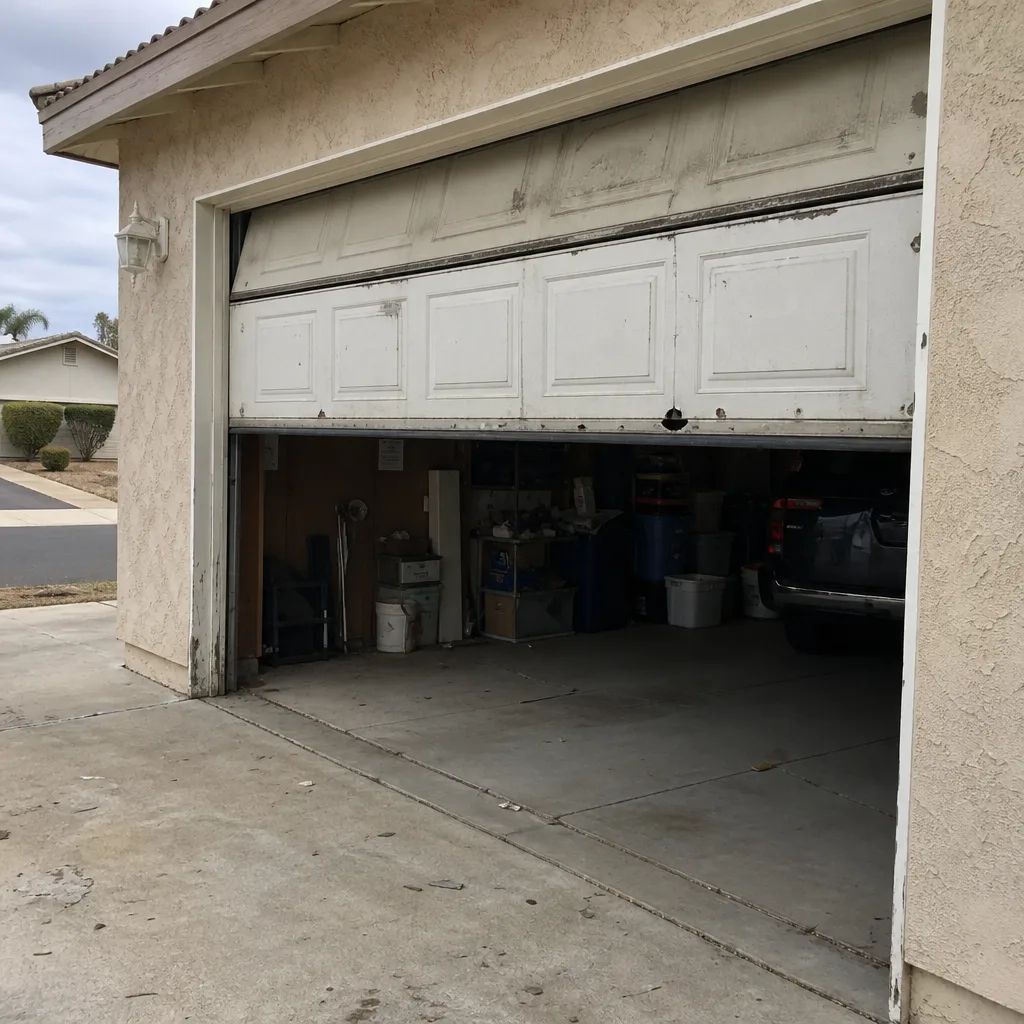
 Before
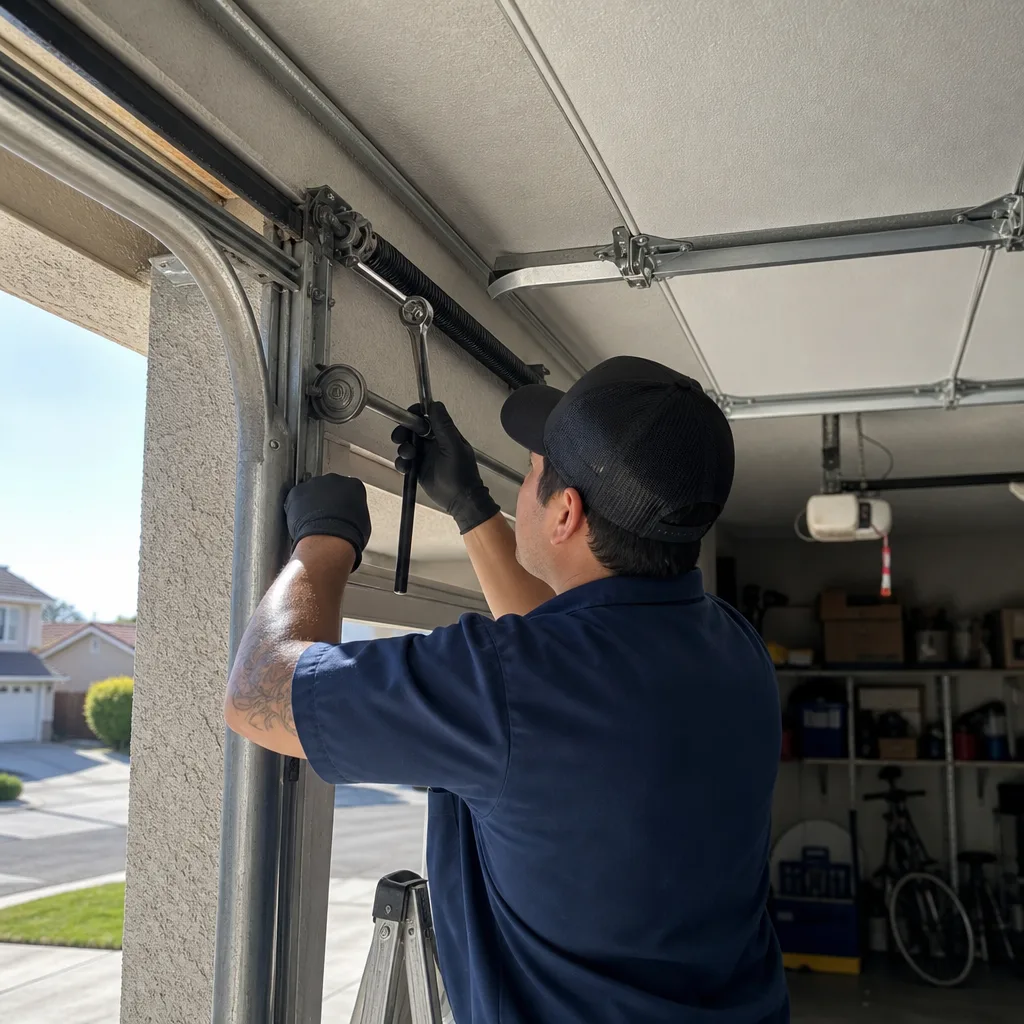
 After
 Before
 After
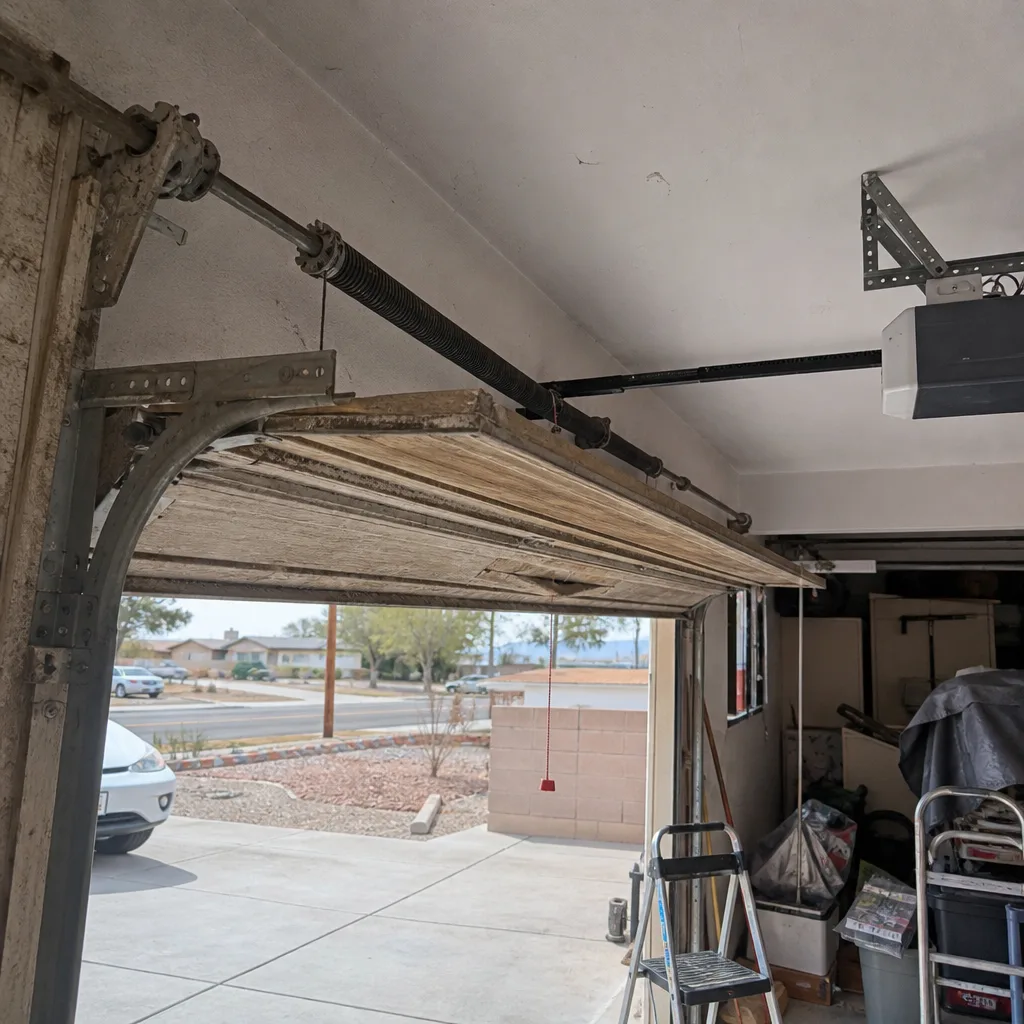 Before
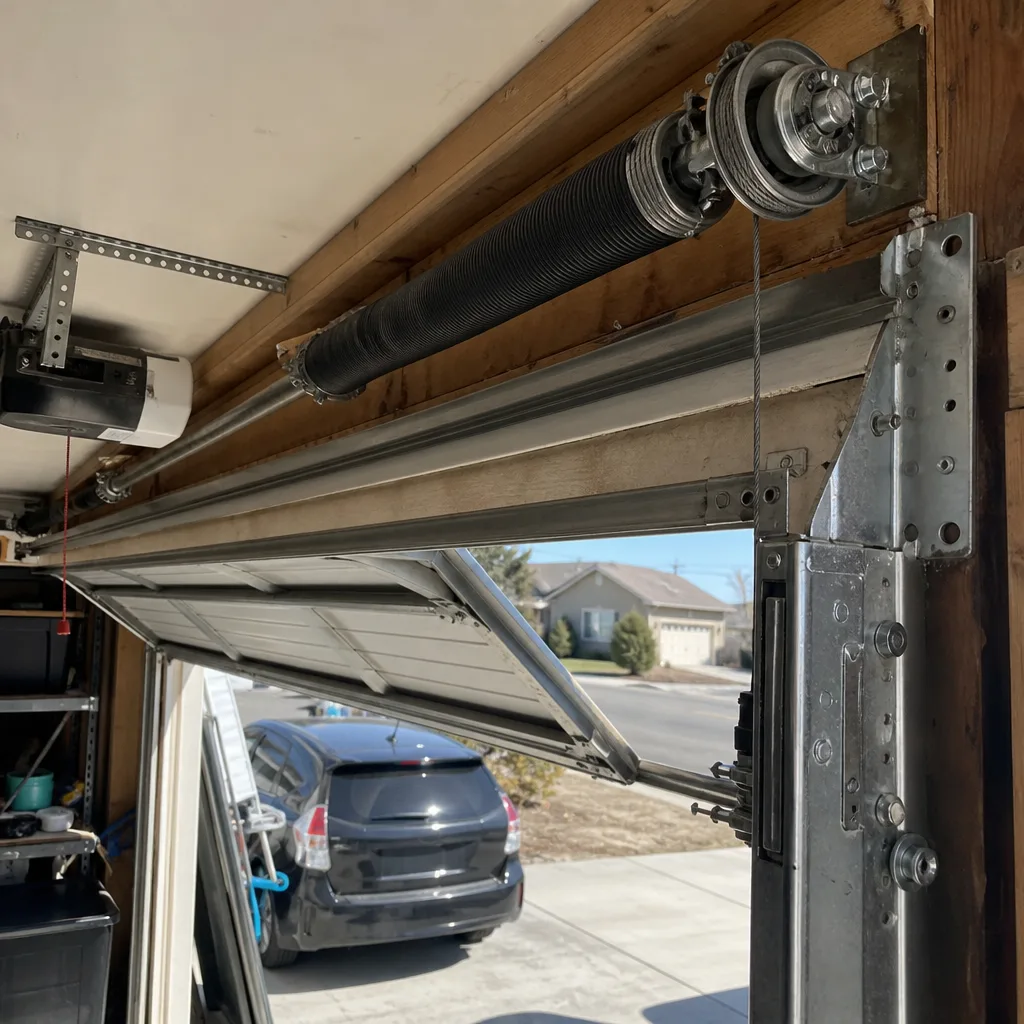 After