
Last updated November 2, 2026
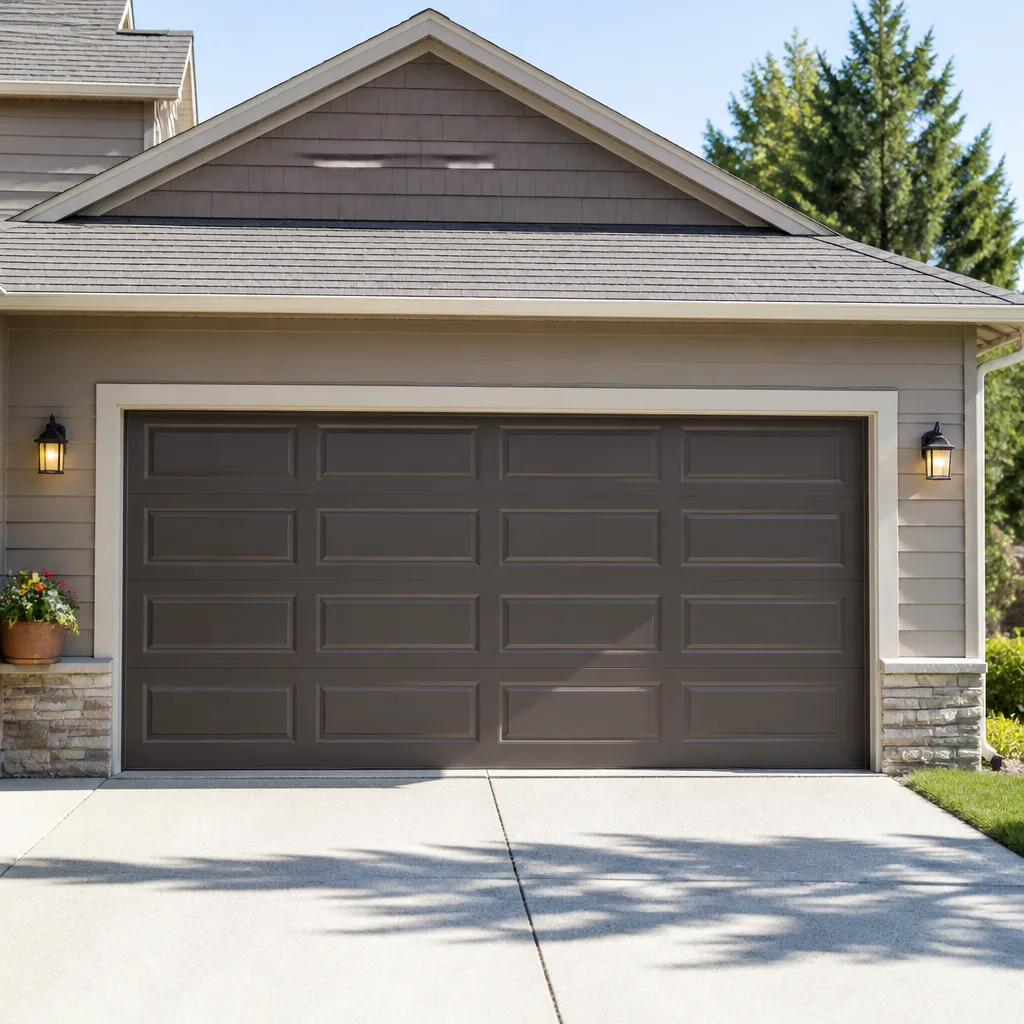 Raised-panel steel
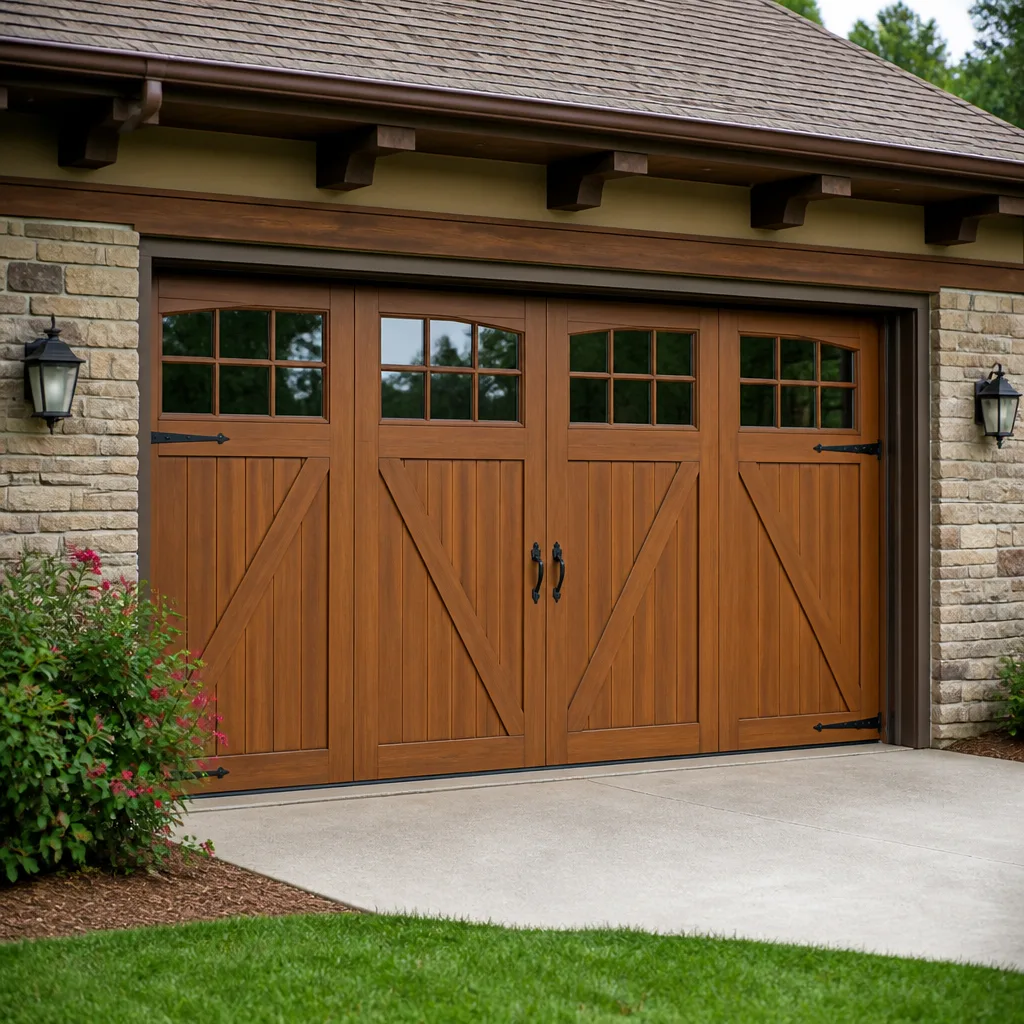 Carriage house
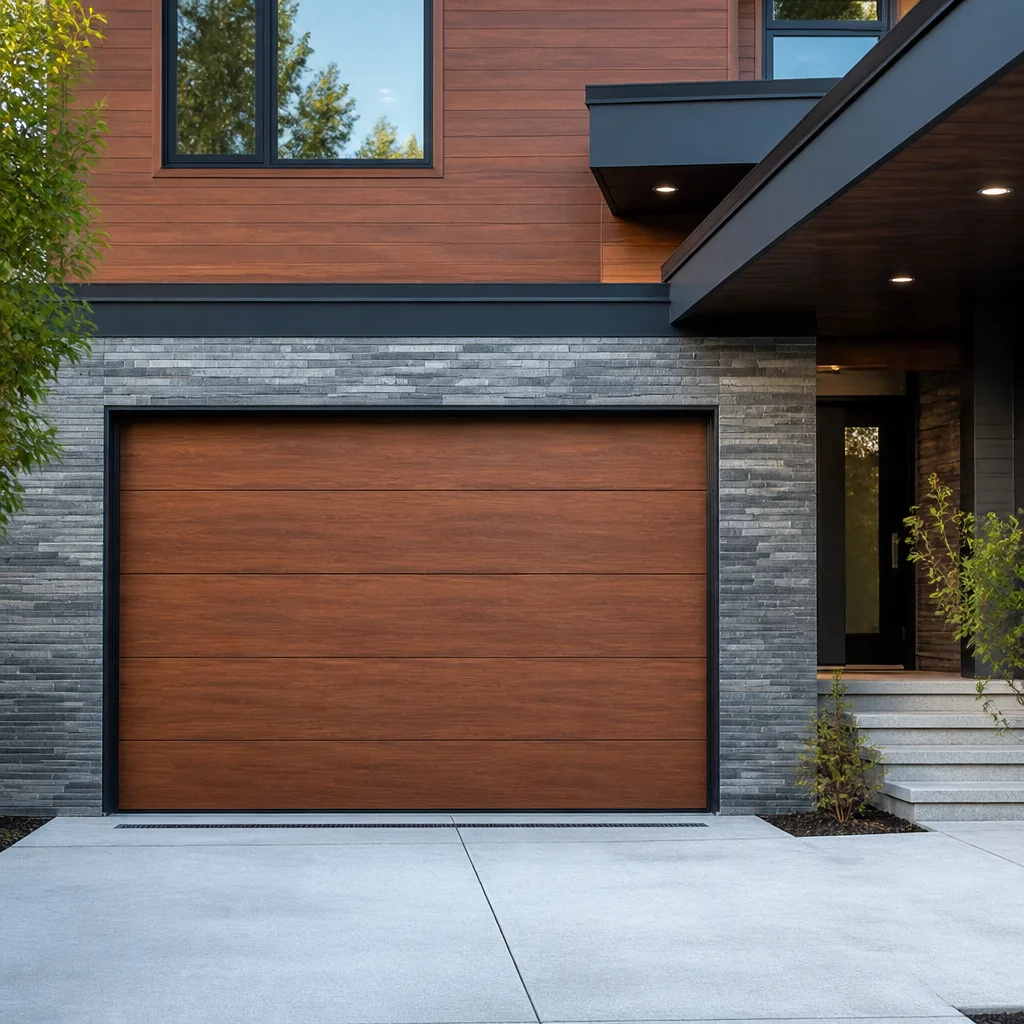 Modern flush
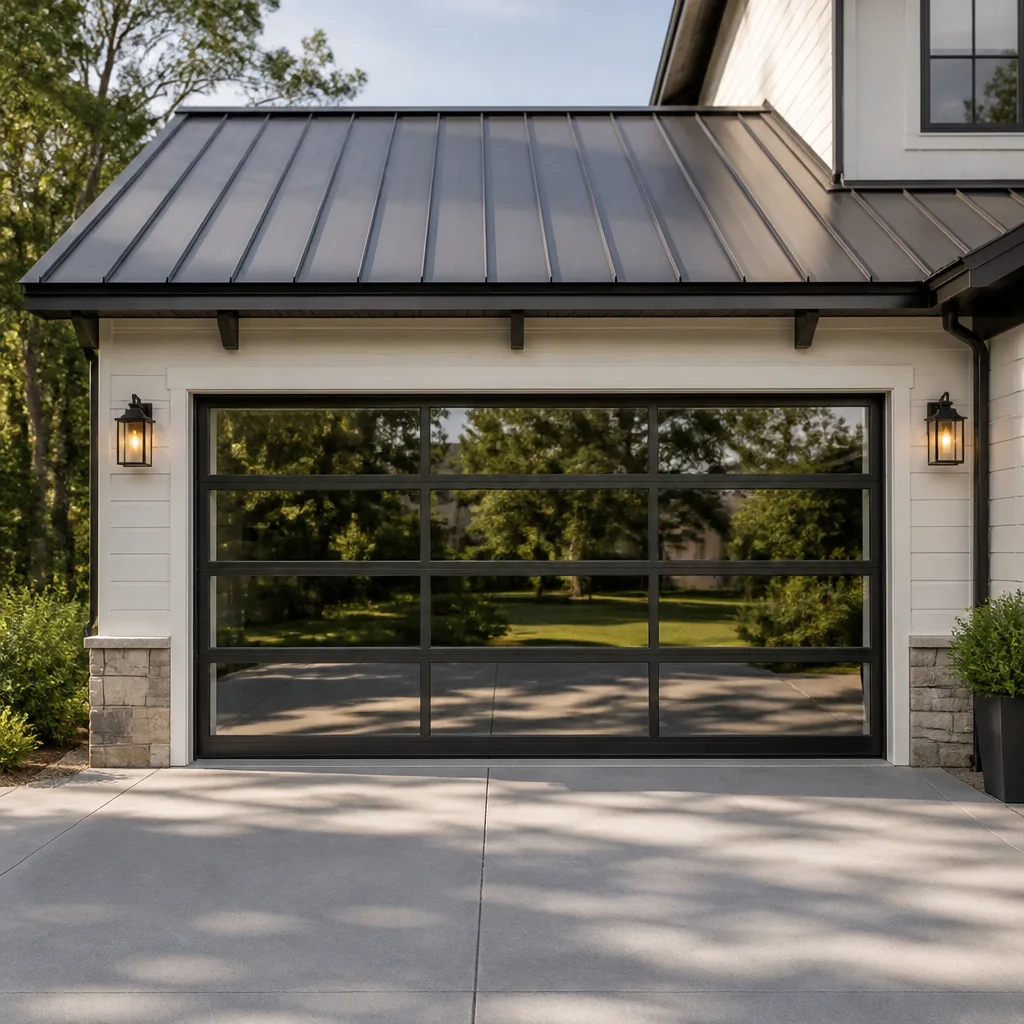 Full-view glass
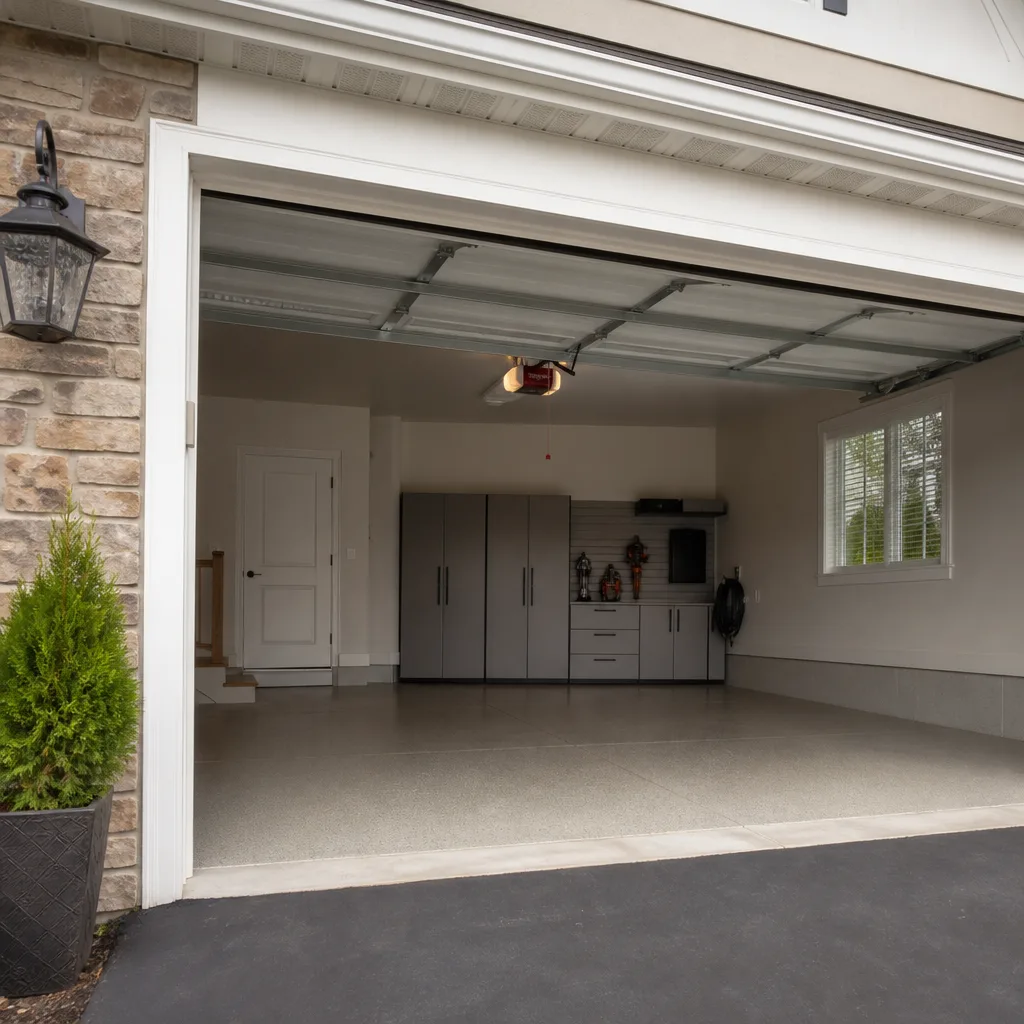 LiftMaster openers
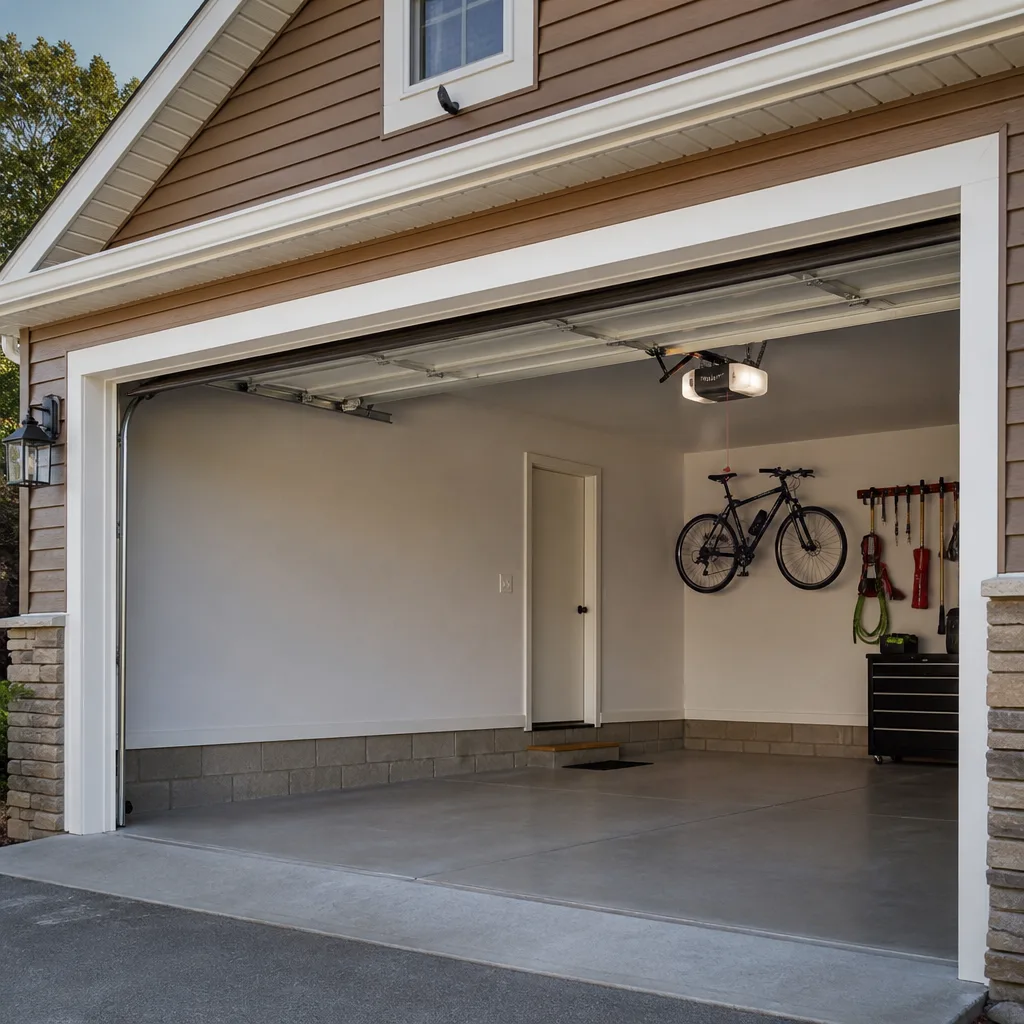 Chamberlain openers
Full 25-point door and opener safety check with every visit - springs, cables, rollers, tracks, and your LiftMaster or Chamberlain opener included
You get a price before we start. It does not change when the truck arrives.
Get your free estimateGarage Door Warning Signs: A Hesperia Homeowner’s Reference Guide
Here’s a number most Hesperia homeowners never hear: the average garage door cycles roughly 1,500 to 2,000 times per year. In the High Desert, with our dust, summer heat pushing door surface temperatures past 140 degrees, and the nightly temperature swings that stress metal components, that annual cycle count takes a measurable toll. The door almost never fails without warning. It squeaks, grinds, shudders, hesitates, or leans for weeks before something actually breaks. This guide and our more guides & resources teach you to read those signs before a $20 roller becomes a $600 track-and-panel repair. If you own a home anywhere from the Mesa to East Hesperia, learning these signals is the difference between a scheduled fix and a Saturday morning door stuck halfway open with a car trapped inside.
Quick Answer
The most common Hesperia garage door warning signs are: grinding or squealing during operation (failing rollers or bearings), a door that hesitates or reverses mid-travel (sensor misalignment or logic board stress), visible cable fraying at the drum, a bottom seal that’s lost its contact with the slab, and jerky movement that signals track or spring issues. Any one of these means the door is telling you a component is near the end of its life. Schedule service within the week, or stop using the door entirely if you see cable fraying or hear a bang.
Table of Contents
- The Sound Diagnostic Index: What Your Door Is Saying
- Visual Warning Signs Most Hesperia Homeowners Miss
- Movement-Based Diagnostics: Reading the Way the Door Travels
- Hesperia-Specific Warning Signs From Desert Conditions
- Homeowner Triage: Schedule This Week vs. Stop Using the Door Now
- Brand-Specific Warning Signs: What We See on Common Doors
- Common Mistakes to Avoid
- When to Call a Professional
- Frequently Asked Questions
- The Bottom Line
The Sound Diagnostic Index: What Your Door Is Saying
Every sound a garage door makes means something specific. Learning the correlation between the noise and the component is the fastest way to catch a failing part before it takes other components with it. In our experience working on doors across Hesperia, the majority of emergency calls begin with a sound the homeowner heard for weeks and decided was normal.
Grinding: A grinding sound, especially one that appears on every third or fourth cycle and then becomes constant, points to a roller bearing that’s lost its internal lubrication or a bearing that’s flat-spotted. On LiftMaster-equipped doors, this often accompanies a door that sounds like it’s dragging even when the tracks are clean. A grinding roller doesn’t simply get louder forever. Eventually the wheel stops spinning, and the roller drags flat against the track. That’s when the door jams, the opener motor overloads, and the emergency call becomes a track replacement plus a new roller set. The fix at the grinding stage is typically under $40 in parts.
Squealing: A high-pitched squeal that happens consistently during travel usually points to a dry hinge or a roller with hardened bearings. In Hesperia, the dry air accelerates grease breakdown. A door that squeals in the first seconds of opening and then quiets may have a hinge pin that’s binding. Lubrication buys time, but if the squeal returns within a week, the hinge or roller needs replacement, not another spray.
Banging: A sharp bang during operation is different from a rattle. A rattle is usually loose hardware or a chain that’s slack. A bang is structural and immediate. The most serious cause is a torsion spring that slipped a coil or snapped. When a spring snaps, the sound is unmistakable: a loud crack like a gunshot, often followed by the door refusing to open because the motor is now lifting the full unassisted weight of the door. If you hear a bang, stop operating the door and check for visible spring separation. This is not a DIY fix. Torsion springs on Wayne Dalton and Clopay doors in particular store enough energy to cause serious injury if mishandled.
Clicking: A rhythmic click during travel often means a roller is catching on a track joint or a hinge is binding at a specific point. On openers, a repeated click with no motor movement from a Craftsman or Raynor unit points to a failing capacitor or a stripped gear. That’s an opener repair situation, distinct from a door issue.
Visual Warning Signs Most Hesperia Homeowners Miss
Three visual checks take less than two minutes and catch the majority of failures we see on doors in Hesperia before they become emergencies.
1. Cable fraying at the drum wrap point. The lift cables wrap around a drum at the top of the door. The point where the cable leaves the drum is under highest tension, and with Hesperia’s dry air, rust and strand separation start there first. Look for any broken strand, a shiny flattened section, or discoloration. A cable that snaps under load can whip and release the door’s entire weight onto one side, bending the track and warping the panel. If you see any fraying at the drum, stop using the door and call for service. The repair is far cheaper before the cable actually lets go.
2. Rust bloom patterns on the spring. Surface rust on a torsion spring is normal over years. But a rust pattern shaped like a crescent or a line that runs perpendicular to the coil indicates a stress crack forming underneath. In the High Desert, rust forms differently than in coastal climates: the coating fails from UV exposure first, then morning condensation settles into micro-cracks. The result is a spring that corrodes from within while looking passable from a distance. Check both springs, not just the one closest to the garage door opener. If one shows a bloom pattern, both are likely close to end of life since they’ve cycled together.
3. Panel bowing at the header. Walk inside the garage, close the door, and look at the top panel. If it curves slightly inward, the opener may be pulling harder on one side. That imbalance is often a spring that’s losing tension or a door out of level. Left unaddressed, the panel develops a permanent bow, and eventually a stress crack at the stile. Once a panel cracks, the door’s a candidate for garage door installation rather than repair. Catching the bow early keeps the panel serviceable for years.
Movement-Based Diagnostics: Reading the Way the Door Travels
Sounds and sights are half the picture. How the door moves tells you the rest.
Slow response: When you press the wall button or remote and the door takes a full second or longer before it starts moving, the opener’s logic board may be struggling to process the signal, or the motor is laboring against excessive resistance. On Chamberlain and LiftMaster models, a delay can also indicate a failing safety sensor circuit. A door that’s gradually slowed over months is usually fighting a spring that’s lost tension. The motor’s working overtime, and motor burnout follows.
Jerky travel: A door that moves in distinct surges rather than one smooth motion has a mechanical bind. Common causes in Hesperia: sand packed into a roller bearing, a track that’s slightly out of alignment from heat expansion, or a chain that needs tension adjustment. The jerking is the door fighting through resistance. Each jerk increases wear on the opener gear, the hinges, and the track brackets.
Uneven bottom gap: When the door is closed, squat down and look at the gap between the bottom seal and the slab. If one side is visibly higher than the other, the door has shifted out of level or a spring has settled. An uneven gap isn’t just cosmetic. In Hesperia, that gap lets in dirt, scorpions, and the winter wind that makes a garage colder than the house. It also means the door is no longer seating evenly against the weather seal, which accelerates wear on one side.
Reversal mid-travel: A door that starts closing and then reverses without anything in the photo eye’s path is either reading a false obstruction or tripping the opener’s internal force limit. The first is a sensor alignment or wiring issue. The second means the door is too heavy for the opener, usually because a spring has failed or the rollers are binding. Continued operation with a force-limit trip stresses the opener’s gear and can strip the drive. When a Craftsman or Raynor unit starts pulling this move, it’s often the gear assembly already damaged and slipping under load.
Hesperia-Specific Warning Signs From Desert Conditions
Garage doors in the High Desert age differently than doors in the coastal cities or the Inland Empire. The conditions that cause failure here are consistent enough that we can predict which component will fail first on a door based on its sun exposure and age, as detailed in our Seasonal Garage Door Care for Hesperia: Year-Round Homeowner’s Guide.
Seal shrinkage gaps at the slab. The bottom seal is rubber, and Hesperia’s low humidity plus triple-digit summer temps bake the flexibility out of it. A seal that hardened over a single summer leaves daylight visible at the slab corners. You’ll see it on the east-facing doors first, since morning sun hits that rubber directly. A shrunken seal lets in dust during Santa Ana wind events, and in winter, it makes the garage noticeably colder. Replacement is straightforward and cheap, and the door’s tracks don’t need adjustment if you catch it before the door sags to compensate.
Track warping from sun exposure. Steel tracks mounted to the wall absorb heat all day. On west-facing garages, particularly in areas like the Mesa with little shade, the track metal can reach temperatures that cause minor expansion. Over dozens of cycles, that repeated expansion and contraction works the track brackets loose. A door that was smooth in spring and develops a dragging sensation by August is often a track that’s drifted out of true. Tightening brackets and re-leveling the track solves it, if the warping hasn’t already scored the roller path.
Sand-packed roller failures. The same wind that piles sand against your fence line also works its way into roller bearings. Hesperia’s soil is fine and abrasive. Once a grain works past the bearing shield, it grinds down the ball bearings until the wheel develops play. The telling sign is a roller that spins freely by hand but clatters during door movement, or a wheel with visible side-to-side wiggle. A sand-packed roller eventually locks, and the door drags that locked wheel along the track, gouging it. Swapping rollers in Hesperia is a higher-frequency maintenance item than in most Southern California climates.
Homeowner Triage: Schedule This Week vs. Stop Using the Door Now
Not every warning sign is an emergency. Here’s how to sort them.
Schedule within the week:
- Squealing that oil doesn’t quiet for more than a few days
- Grinding that comes and goes but hasn’t caused a jam
- Slow response from the opener with no other symptoms
- A small bottom-seal gap at one corner
- Loose hardware you can hear rattling during travel
- A door that’s slightly out of level but still closes fully
Stop using the door now:
- Visible cable fraying anywhere, especially at the drum
- A bang or gunshot sound during operation
- The door dropping faster than normal when closing by hand
- A roller that’s dragged flat or locked in the track
- The door stuck in the open position with no motor response
- Any gap between a spring coil and its neighbor
When a door is in the second category, every additional cycle risks a component failure that takes out the track, panels, or opener along with it. The door is also a security hole: a door stuck open or weakly held is an invitation. Our team at Garage Door Service Hesperia handles both categories, but we’d rather see the first list than the second. At Garage Door Service Hesperia home, the repair-first approach means we look for the specific failed part before recommending anything broader.
Brand-Specific Warning Signs: What We See on Common Doors
Different manufacturers have different failure fingerprints. Knowing yours helps you spot trouble early.
Wayne Dalton: Wayne Dalton doors often use a torque-master spring system that’s enclosed in a tube, which hides the spring entirely. The warning signs shift away from visual spring inspection. Instead, watch for the door feeling heavier than it used to, especially when you release the opener and lift by hand. A sudden loss of the “lightness” is a spring that’s failing inside that tube. The system can’t be visually inspected the way an exposed torsion spring can, so pay more attention to how the door feels.
Craftsman openers: Craftsman units, particularly older models, develop gear wear that shows up as a clicking or a door that starts moving and then stalls. The drive gear inside the opener strips gradually, and the clattering noise is the teeth slipping. Catch it early and the gear is replaceable. Run it too long and the motor overheats, and the opener’s done. We work on the brand you already have, and that means knowing when a Craftsman unit is worth repairing versus when a garage door opener repair in Hesperia is still cheaper than replacement.
Raynor doors: Raynor builds a heavier commercial-grade door, and the common wear point we see in Hesperia is hinge wear at the center stiles, especially on wider doors. The hinges carry more load on a heavier panel, and after years of High Desert temperature swings, the metal fatigues. Listen for a soft clunk at the midpoint of travel, and inspect center hinges for hairline cracks. A cracked hinge on a Raynor door can let the section drop, and a section drop damages the roller and track together.
LiftMaster openers: The modern LiftMaster units have excellent diagnostics. A door that reverses unexpectedly on a LiftMaster is often reporting a force setting issue, not just a dirty sensor. These units store a force profile, and when the door’s actual force requirement drifts upward because a spring is weakening, the unit compensates until it can’t. At that point, it reverses as a safety response. If your LiftMaster starts reversing with no obstruction, the door itself is the likely culprit rather than the opener.
Common Mistakes to Avoid
- Lubricating a grinding roller and calling it fixed. Lubricant quiets a dry bearing but doesn’t restore a flat-spotted or sand-packed one. The noise returns, and now the roller has more travel to damage the track.
- Ignoring a door that’s gotten louder over months. Homeowners acclimate to gradual noise changes. A door that’s louder than it was six months ago is louder because something is wearing. The component won’t un-wear itself.
- Repeatedly pressing the remote when the door hesitates. Stacking open/close commands on a struggling opener overheats the motor and logic board. Each extra press on a door that’s binding is one less day in the opener’s life.
- Adjusting the sensors by hand without checking the door’s force settings. Many Hesperia homeowners chase a reversing door by realigning the photo eyes, when the real problem is a spring that’s lost tension. Sensor alignment matters, but it doesn’t fix a heavy door.
- Waiting until the door is completely dead to call. By the time the door refuses to move, the original $40 part has usually taken out $200 worth of related hardware. The warning period is the cheapest repair window.
- Using a pry bar or floor jack to force a stuck door open. This bends the bottom panel, and on a door with a partially wound spring, forcing the door can cause the spring to release unpredictably. Leave the door alone and call someone who works on the brand you already have.
When to Call a Professional
Some warning signs are informational. Others are structural. If you see cable fraying, a snapped spring, a door that’s dropped unevenly, or an opener that’s making grinding sounds from the motor housing, stop using the door and call for service. These aren’t situations where more observation helps. The component has already failed or is close to it, and every additional cycle compounds the repair cost. Torsion springs, cables, and track assemblies are under tension that can cause serious injury. In Hesperia, Garage Door Service Hesperia offers free estimates, and the price is quoted and agreed before any work starts. Call (833) 620-6388.
Frequently Asked Questions
A spring that’s failing makes the door feel heavier when you lift it manually with the opener released, and the door may struggle to open or sag on one side when fully raised. You may also hear a bang or see a visible gap between coils. In Hesperia’s dry climate, check for rust bloom patterns along the spring. If the door feels heavier than it did a few months ago, call (833) 620-6388 for a spring inspection before it snaps.
A loud bang is usually a torsion spring breaking or slipping a coil, and it’s accompanied by the door suddenly becoming very heavy or refusing to open. Stop operating the door immediately. The fix requires spring replacement, which is a professional job due to the stored energy in the spring system. Call us at (833) 620-6388 and we’ll get it sorted.
No. A properly maintained garage door is relatively quiet. Squealing, grinding, banging, and clicking each indicate a specific component issue: dry hinges, failing rollers, spring problems, or opener gear wear. A door that has gotten progressively louder over months is telling you something is wearing out. The part it’s warning you about is cheaper to replace now than the damage it’ll cause later.
Most Hesperia garage door repairs run between $125 and $350 depending on the part. Roller replacement typically runs $100 to $150 for a set. Spring replacement typically runs $180 to $300 per spring depending on the door’s weight and the spring type. Opener gear replacement runs $125 to $200. Every repair at Garage Door Service Hesperia has the price quoted and agreed before work starts, and estimates are free. Call (833) 620-6388 for an exact number on your door.
You can, but you shouldn’t. A grinding sound means a roller bearing is failing, and once the roller locks, it drags along the track and scores the metal. The $40 roller becomes a $400 track and panel job. If the grinding is intermittent, schedule service within the week. If the door hesitates or shudders while grinding, stop using it and call us today at (833) 620-6388.
A door that opens on its own usually has a failing logic board in the opener, a short in the wall button wiring, or a remote that’s gotten wet and is sending stray signals. In Hesperia, static from dry wind can occasionally trigger older openers with worn receiver circuits. This is a repair or garage door repair in Hesperia situation, not something to ignore. A door that opens uncommanded is a security risk, and the fix starts with an opener diagnostic. Call (833) 620-6388.
The Bottom Line
Your garage door is the only moving part of your house that weighs more than you do, and it cycles thousands of times a year in Hesperia’s dust and heat. It talks before it fails. Grinding means a roller. A bang means a spring. Slow response means the opener is straining. Uneven seating means the door’s out of level. Learn the sounds and the sights, and you’ll catch the $150 fix before it becomes the $900 emergency. When a warning sign shows up, you know who to call. Garage doors are all we do, and that’s exactly why we’re the ones to do it.
Written by the team at Garage Door Service Hesperia, serving Hesperia since 2015.
Styles & brands we work with
- Raised-panel steel
- Carriage house
- Modern flush
- Full-view glass
- LiftMaster openers
- Chamberlain openers
See the difference
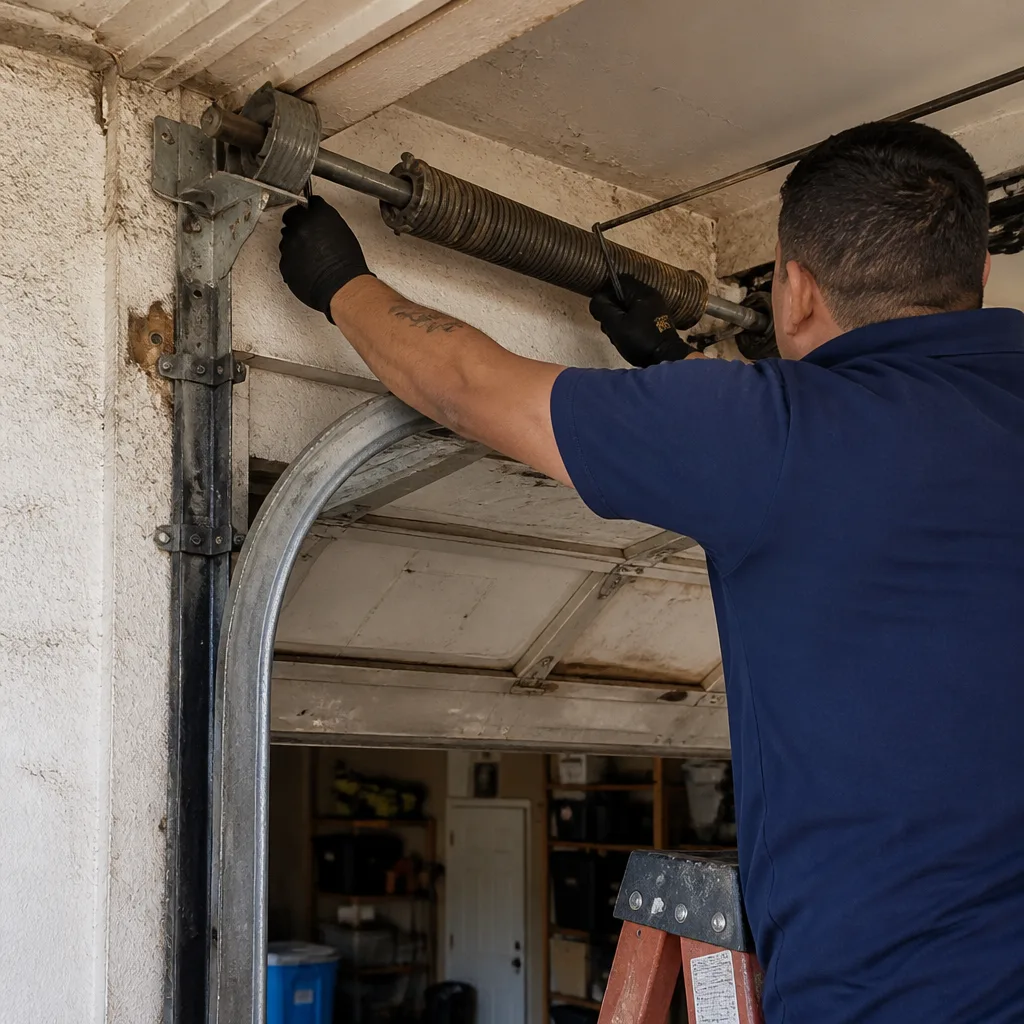 Before
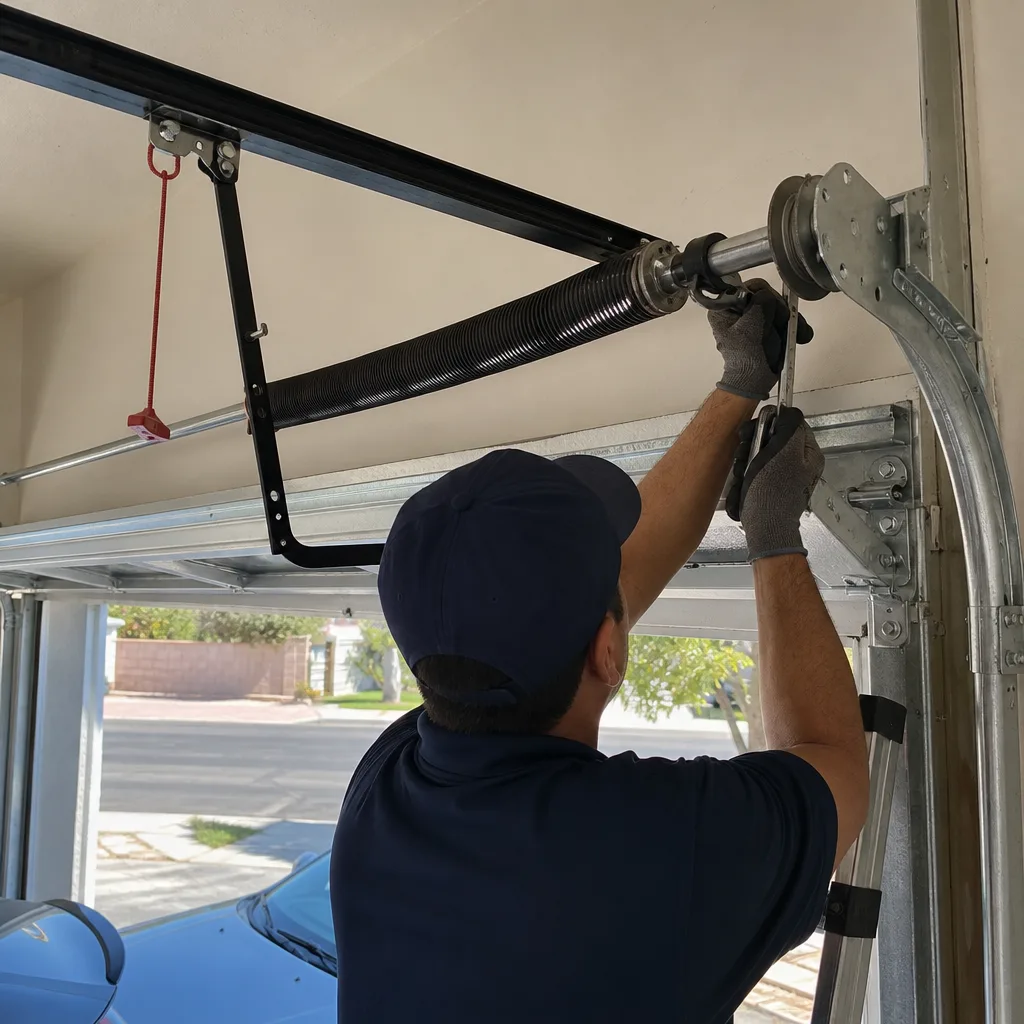 After
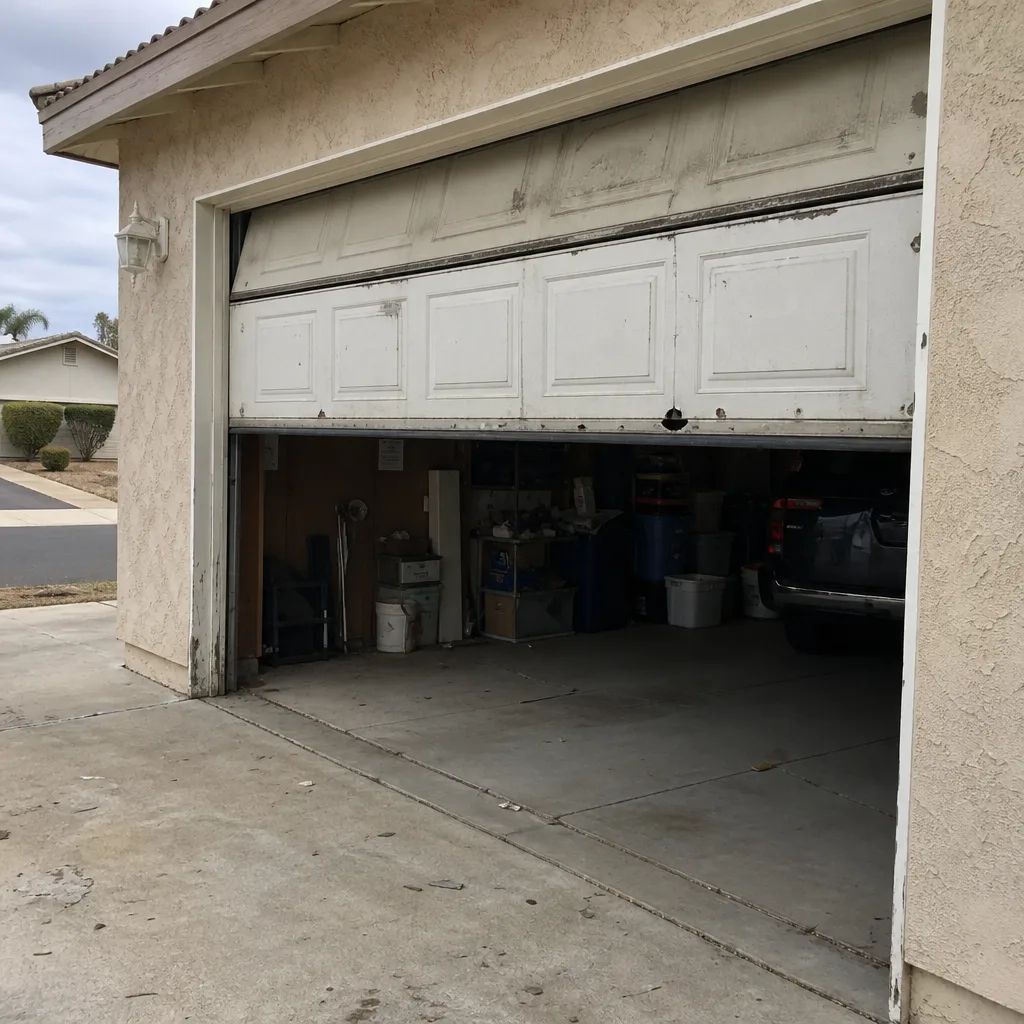 Before
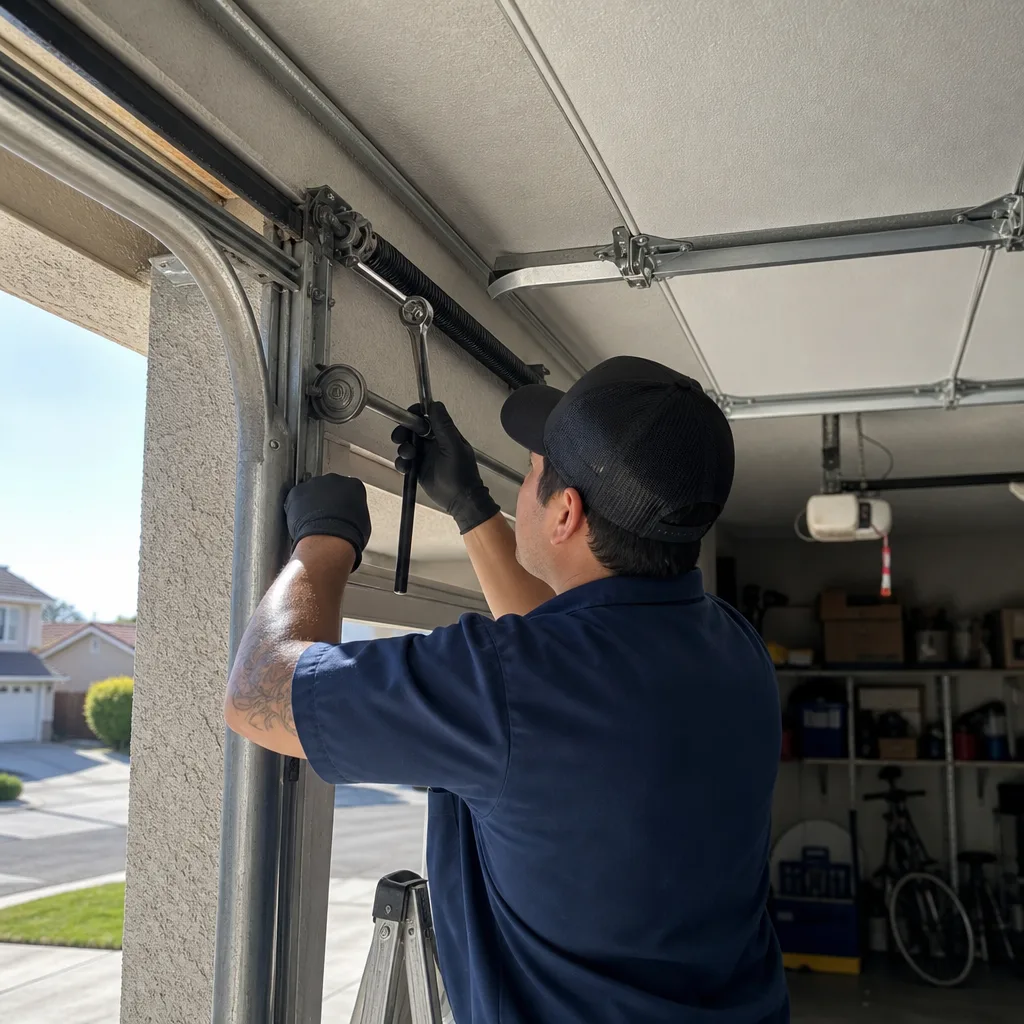 After
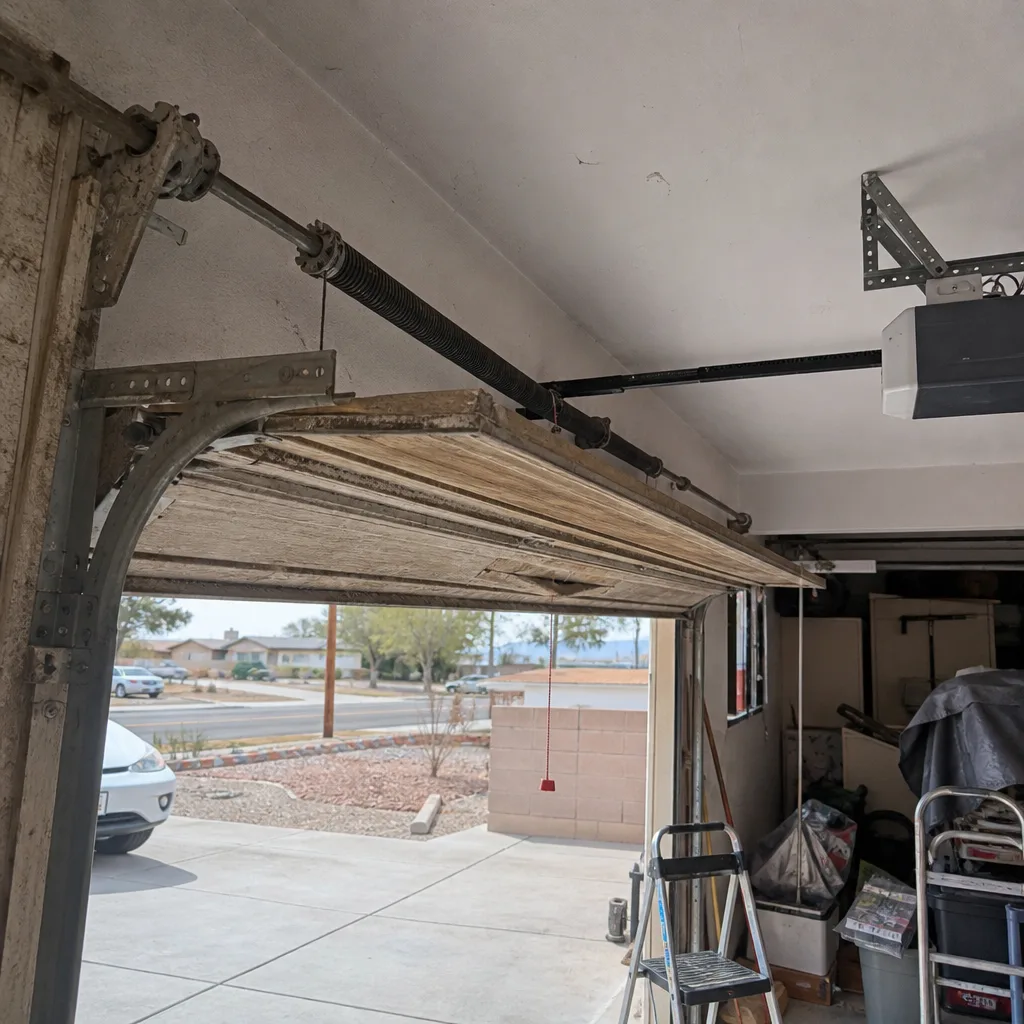 Before
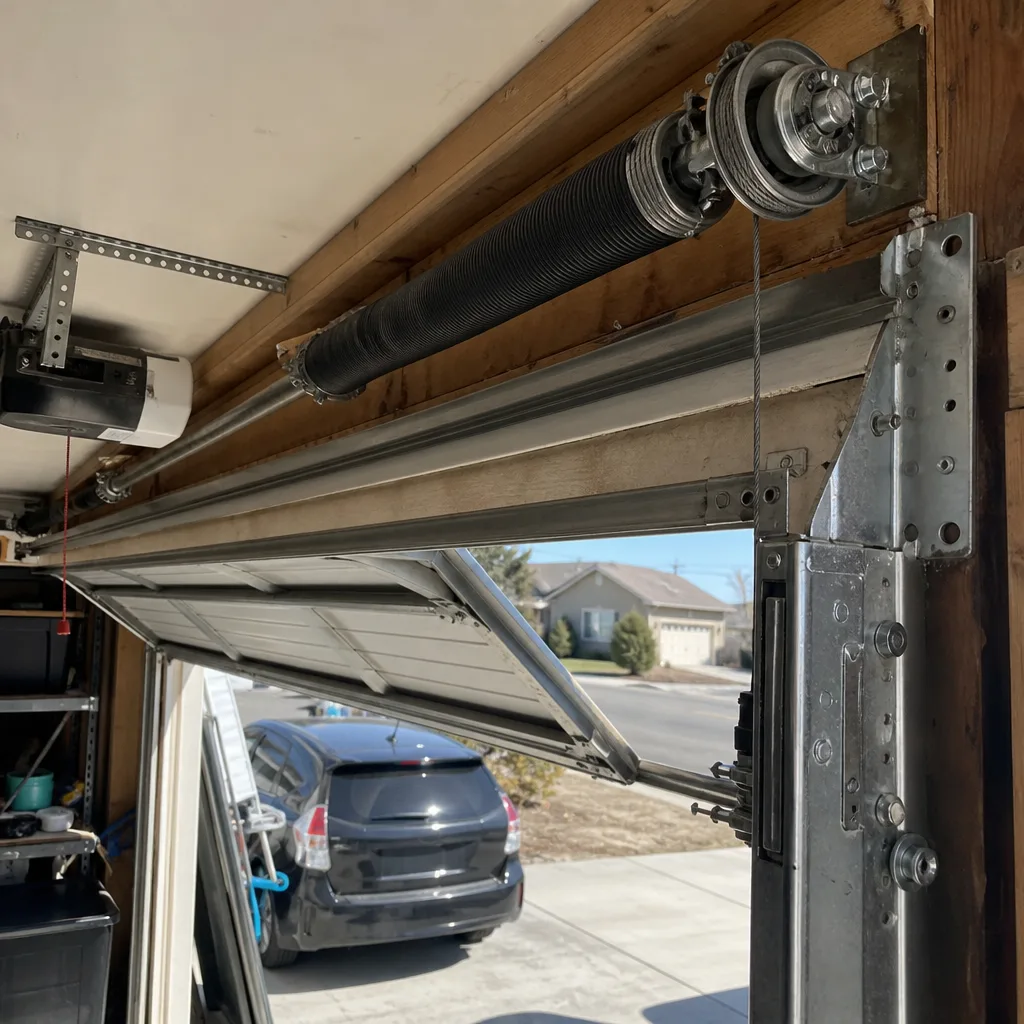 After